Dear players,
This document is a work of fiction, based as much as possible on the knowledge of archaeological sites available at the time Sir Archibald's text is set, that is, in 1933. The geopolitical situation mentioned is that of the era; the archaeologists cited really existed and worked to excavate these sites. Only their supposed connection with our archaeologist from the Royal Society of Archaeology is fictional.
When I started designing the prototype for this game, which was then called Terra Explorare, I quickly decided that it would be anchored in a historical reality, for several reasons.
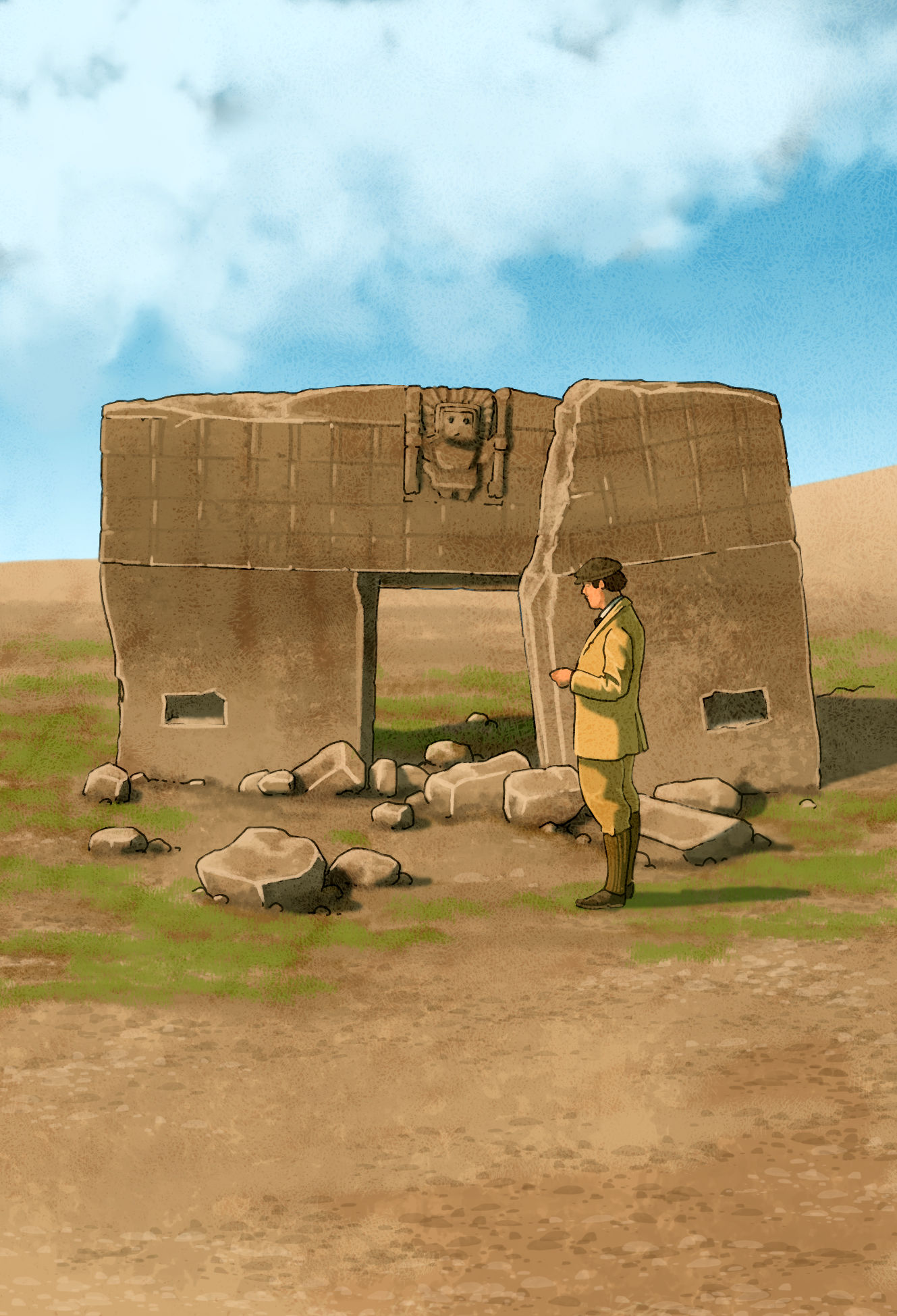
First, I wanted to share with you my passion for ancient stones, lost civilizations, and enduring mysteries: an undeciphered language (the Phaistos Disc), unexplained construction (the pyramids of Giza, Tiwanaku), a site largely unexplored to this day (Machu Picchu, Choquequirao).
Next, I wanted to enhance your immersion into the role of these pioneers of modern archaeology by making the game actions performed by your explorers coherent and understandable. I myself am very sensitive to all these thematic and narrative elements when I play.
Finally, and most importantly, I was keen to introduce you to all these archaeological sites that have withstood the ravages of time and history to be with us today. Some are in a sometimes impressive state of preservation, thanks to the meticulous and relentless work of all these archaeologists, men and women, who sometimes dedicated their lives to excavating their El Dorado.
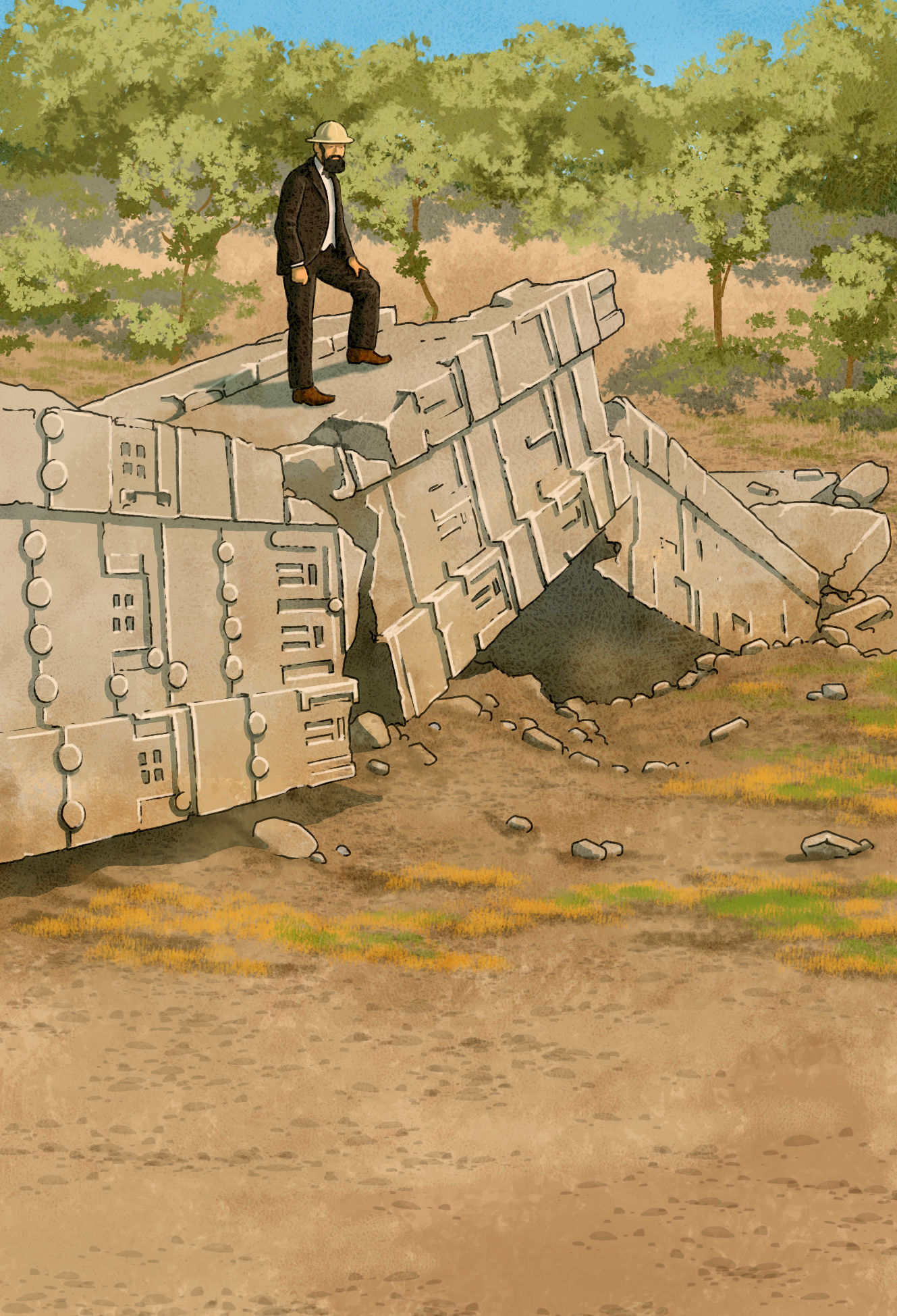
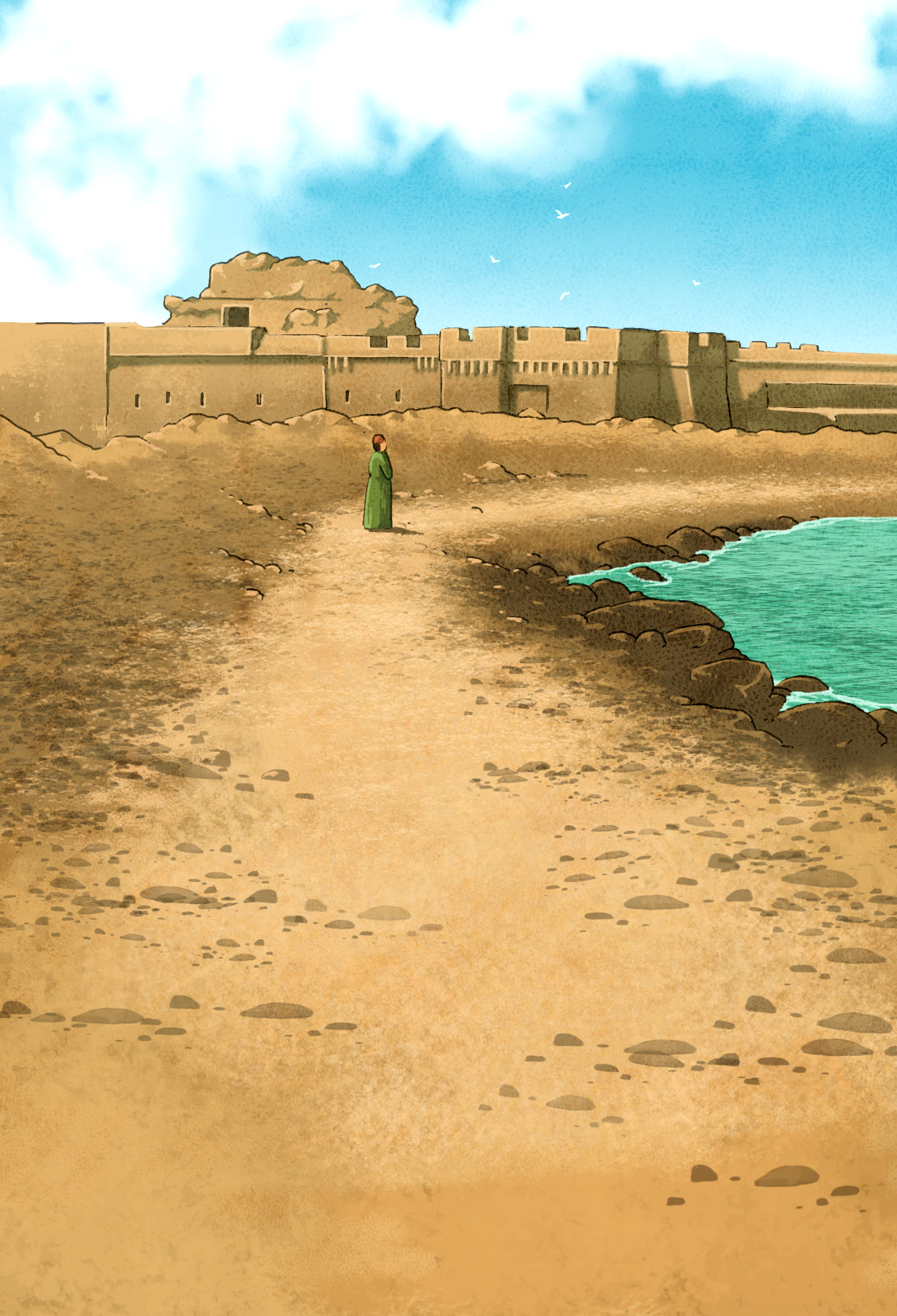
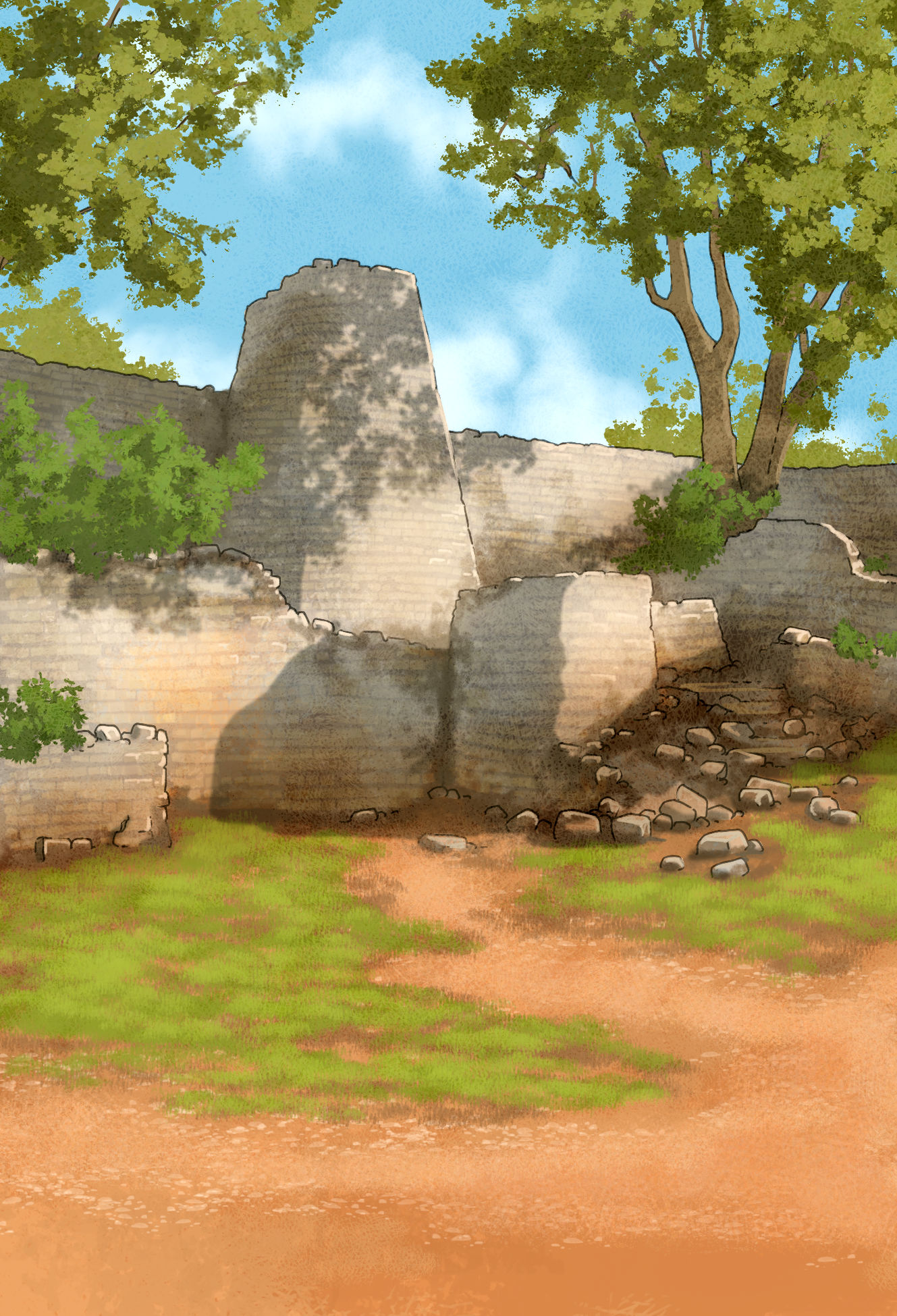
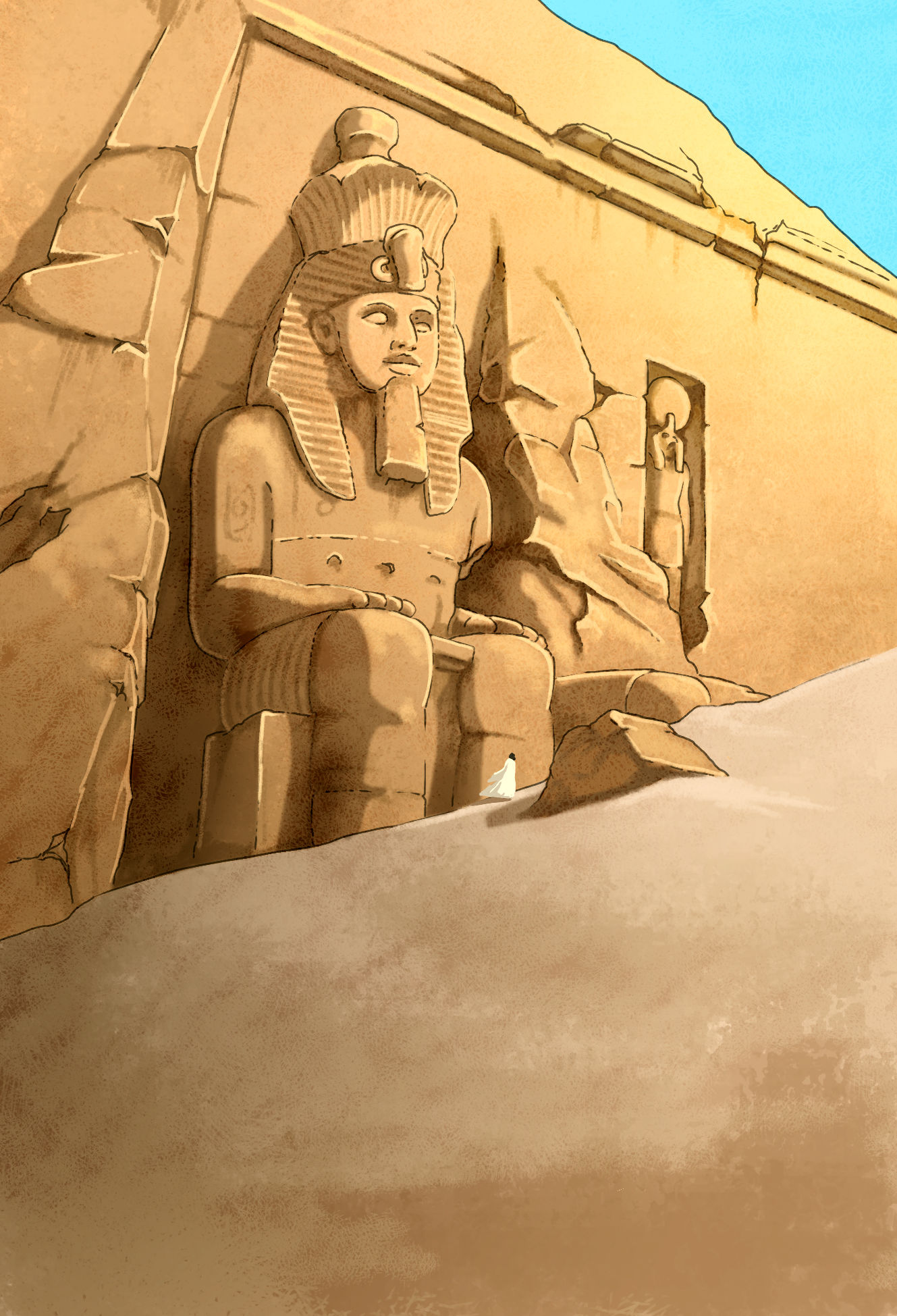
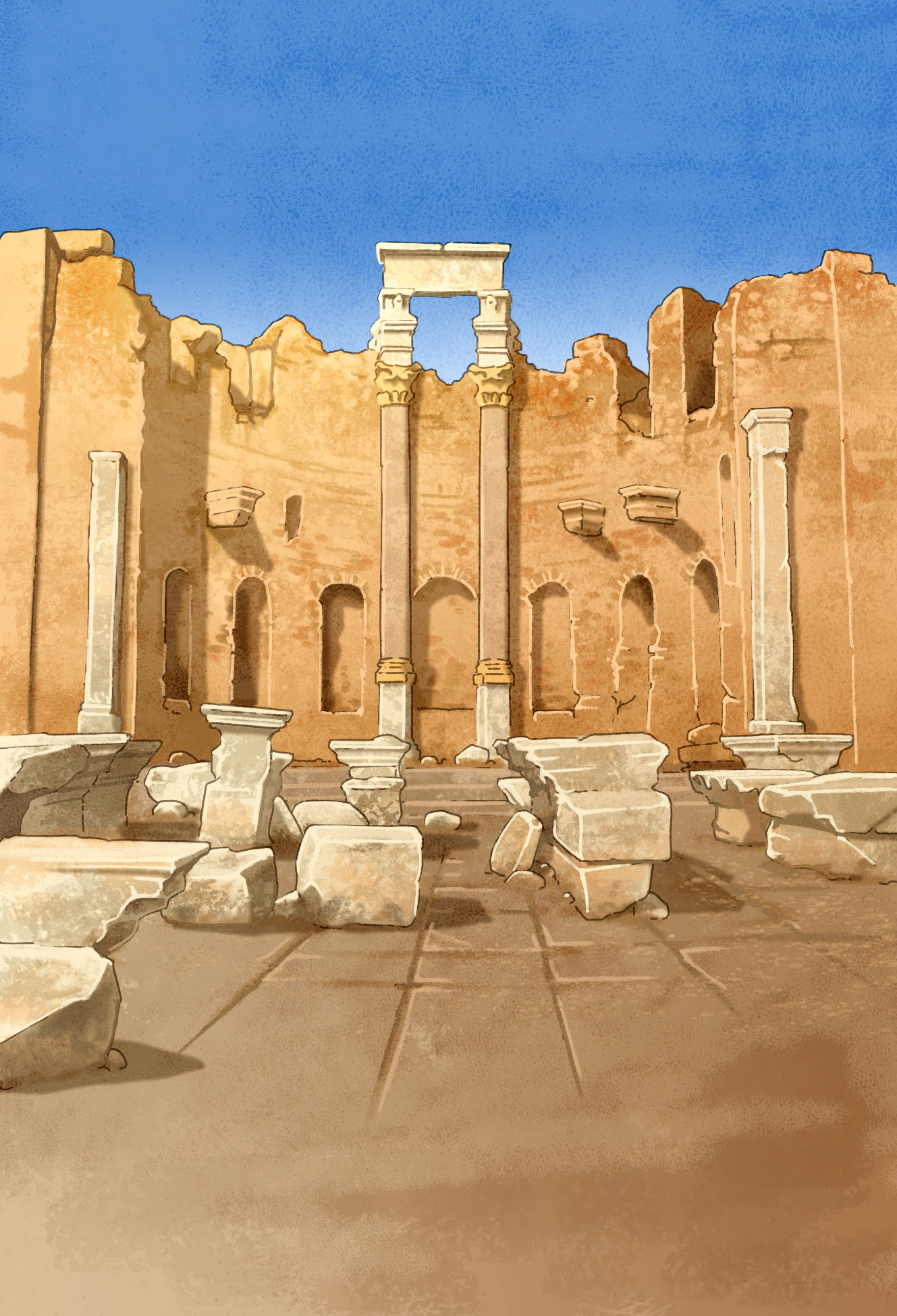
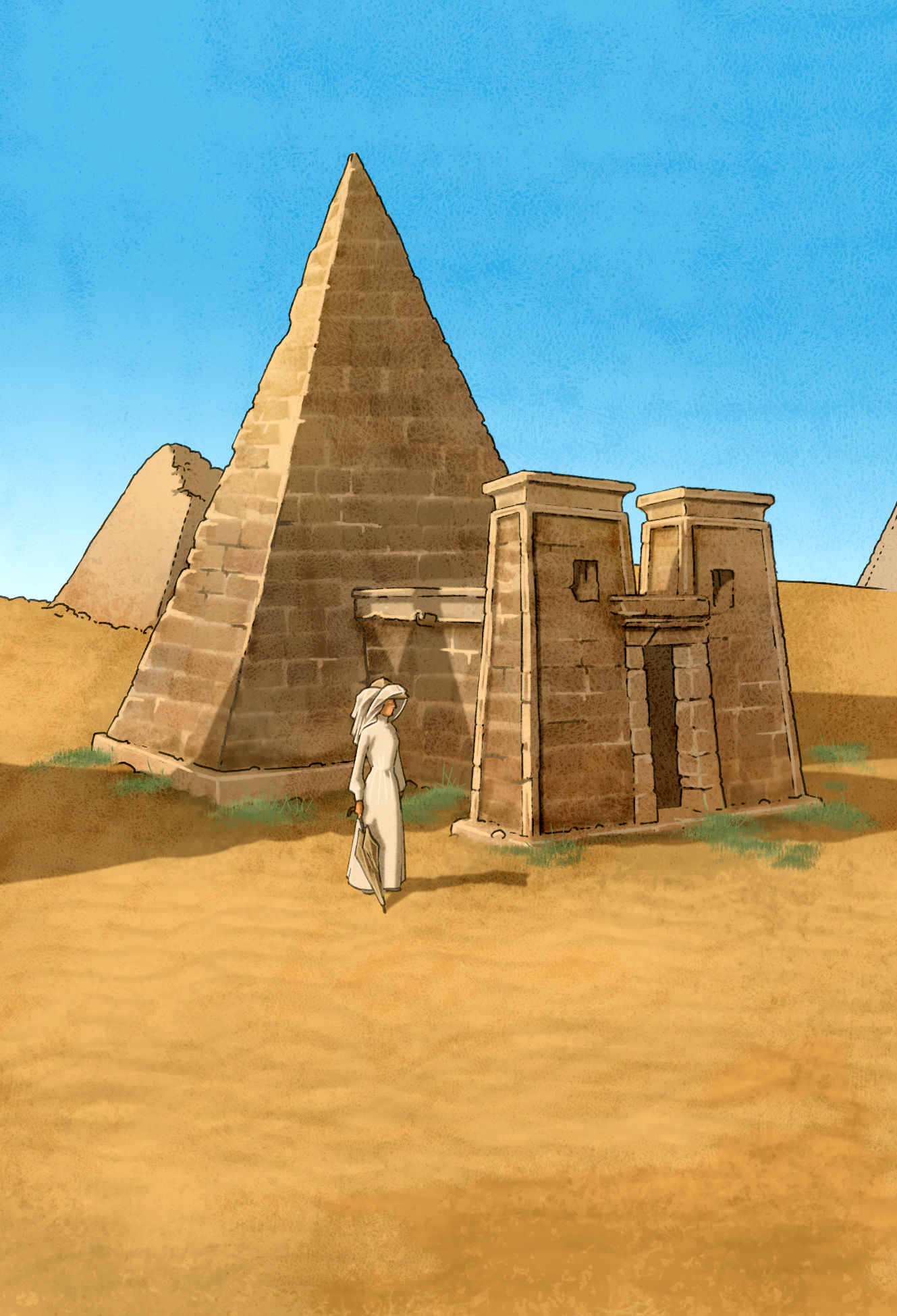
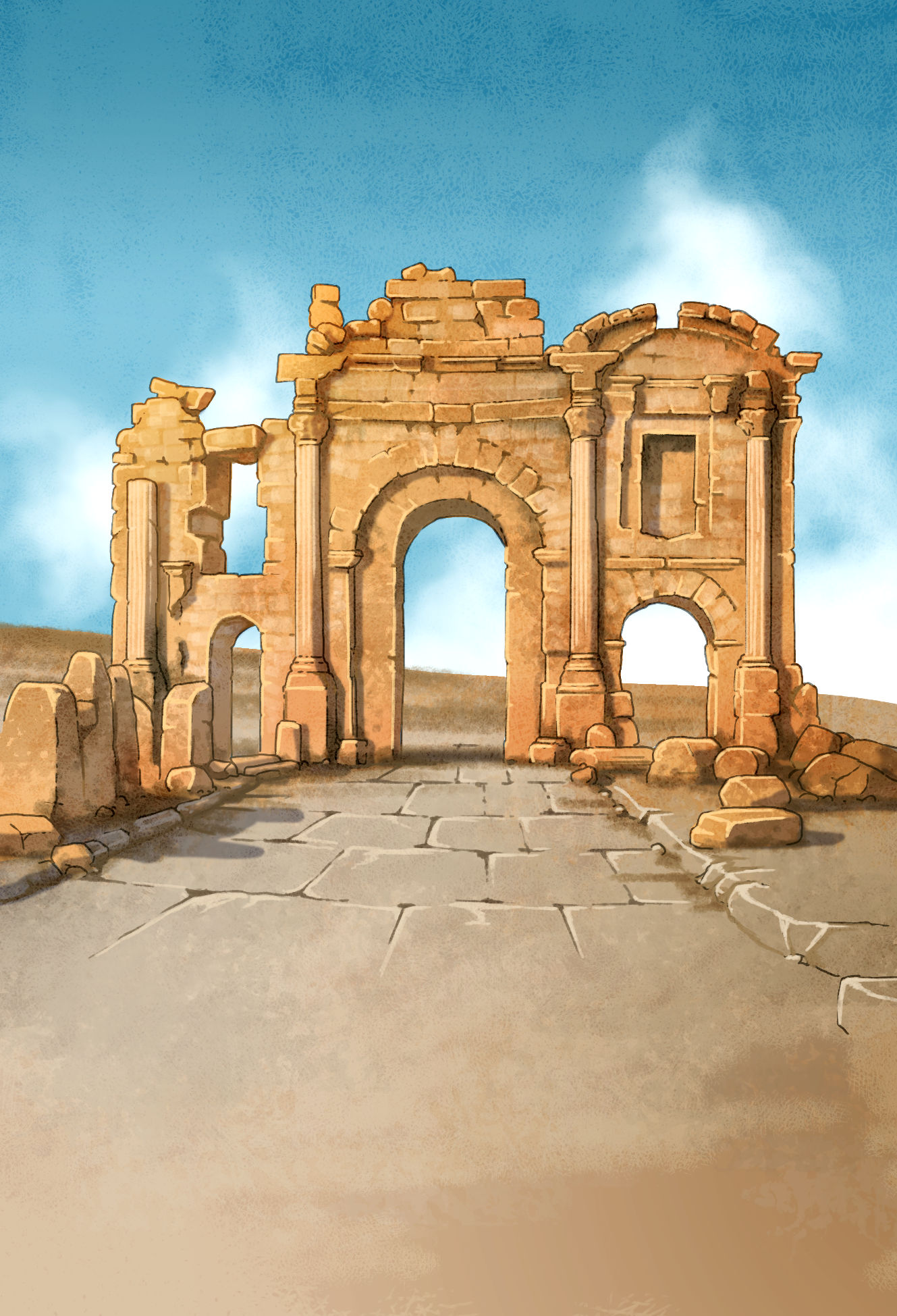
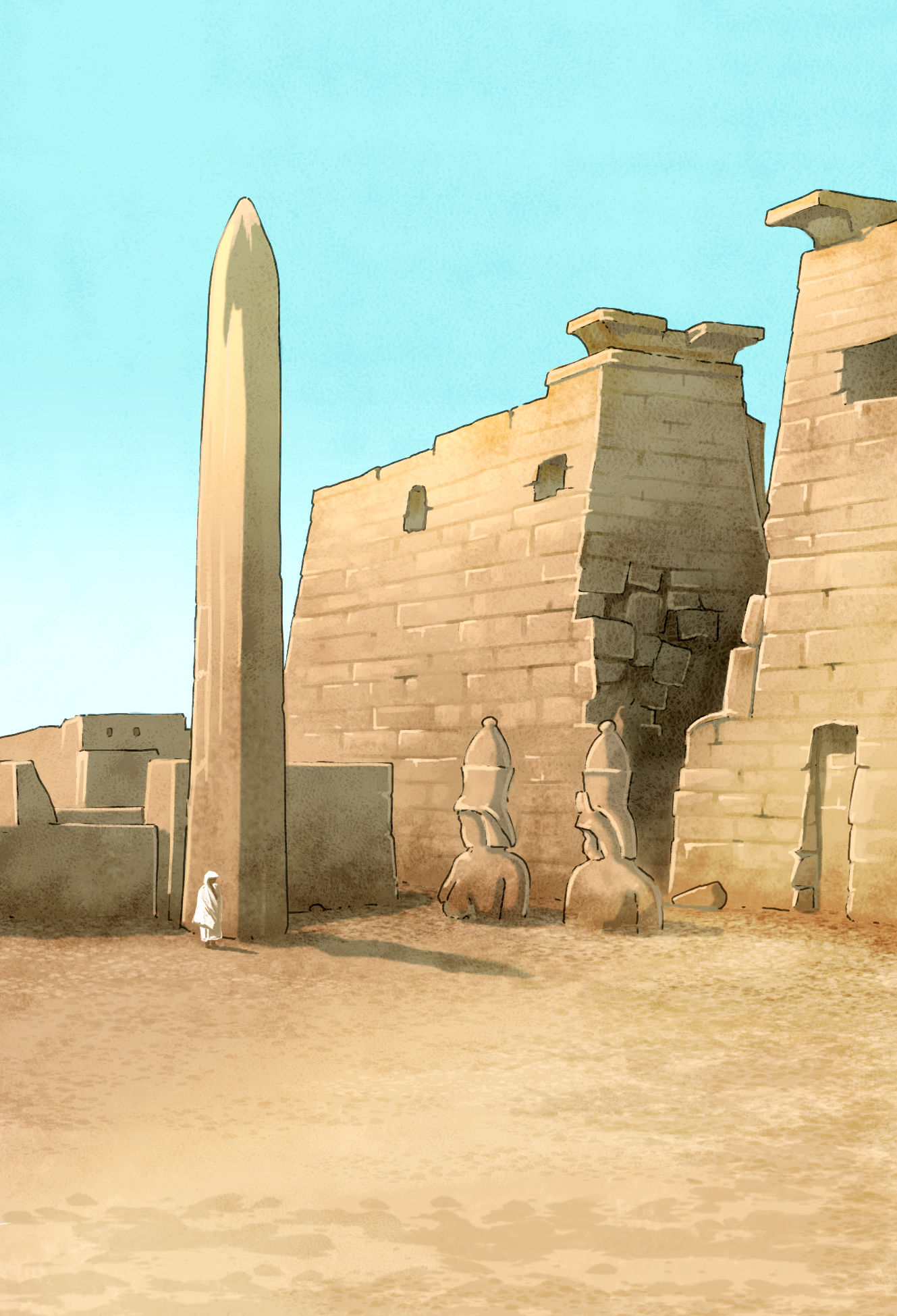
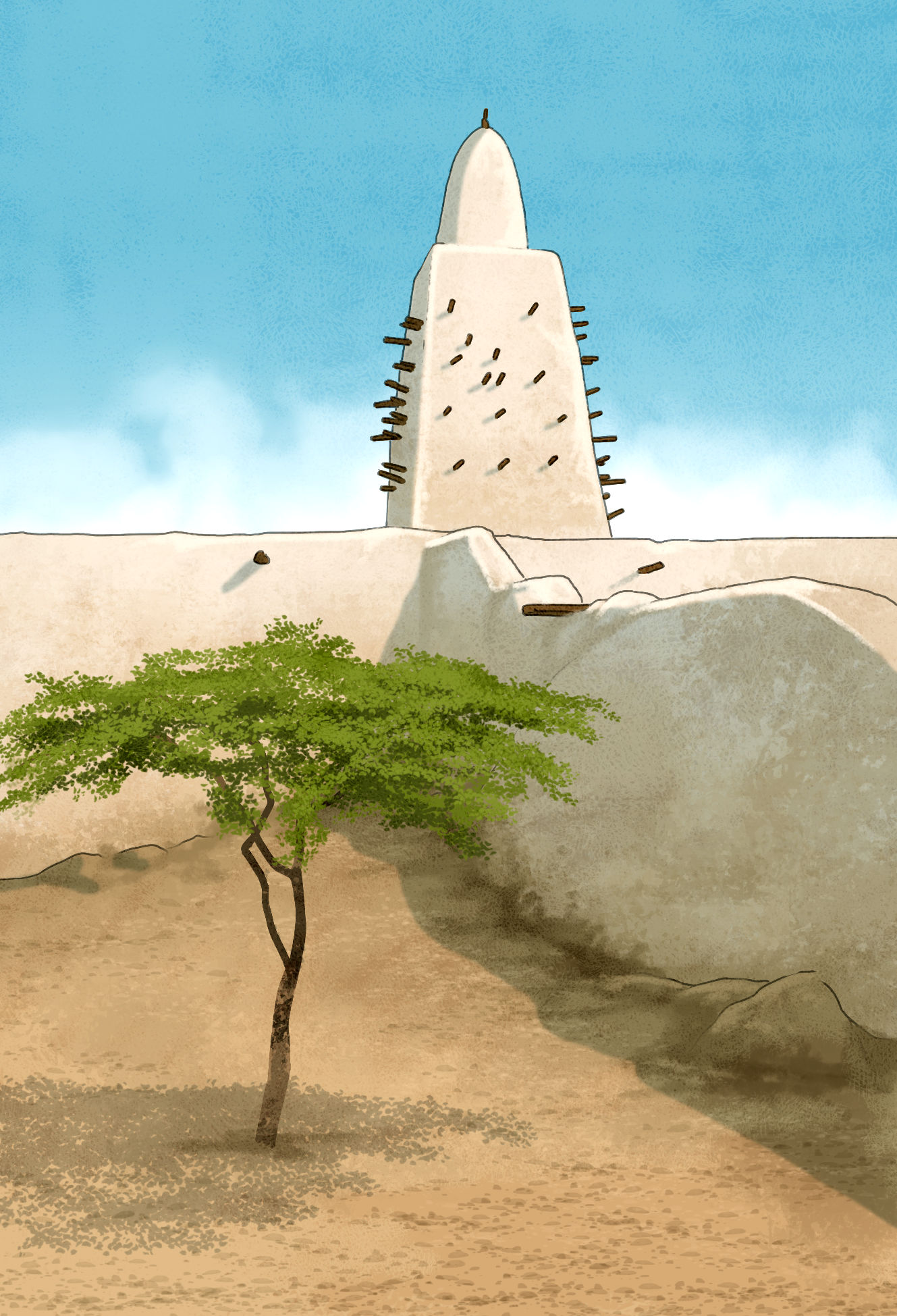
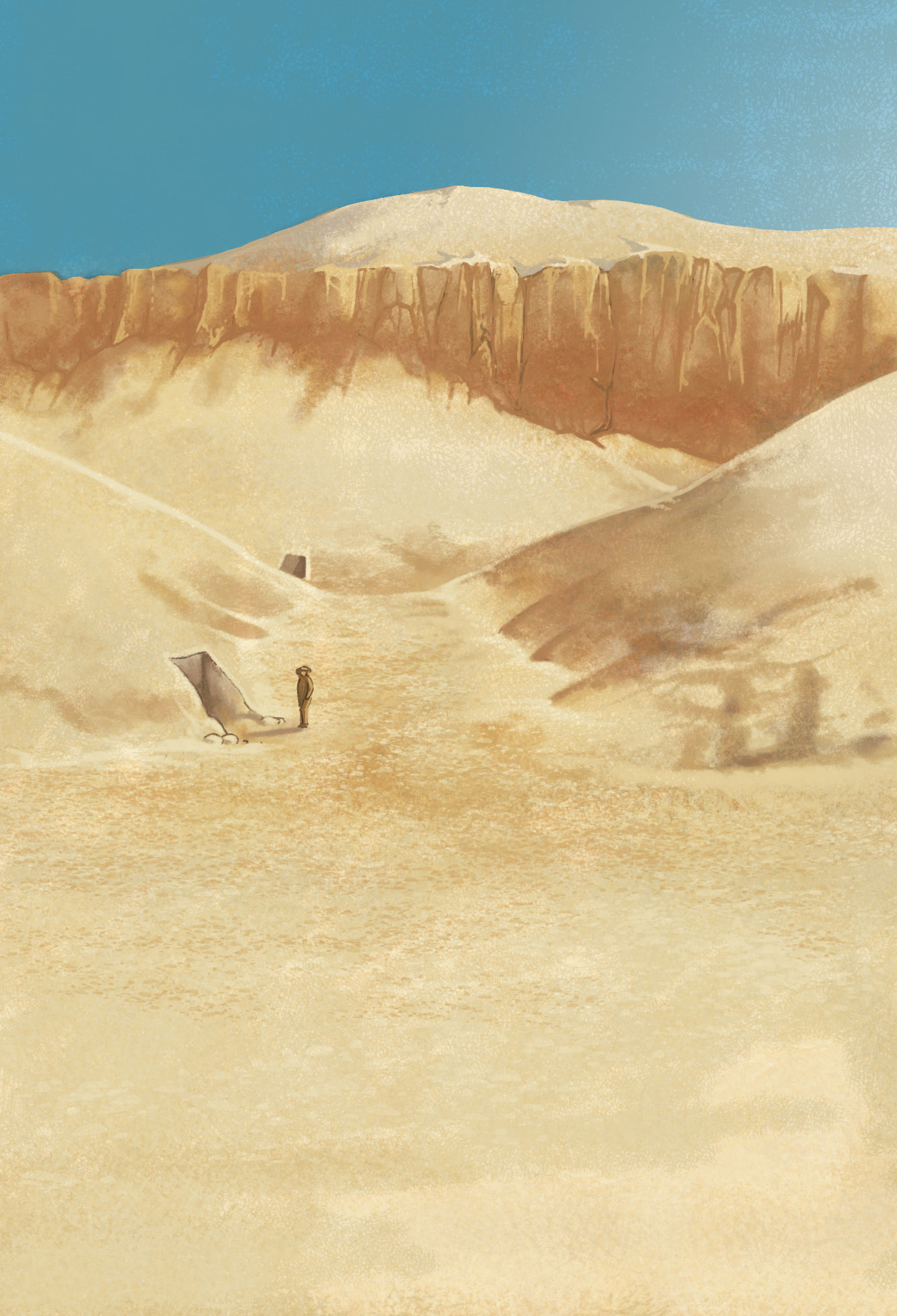
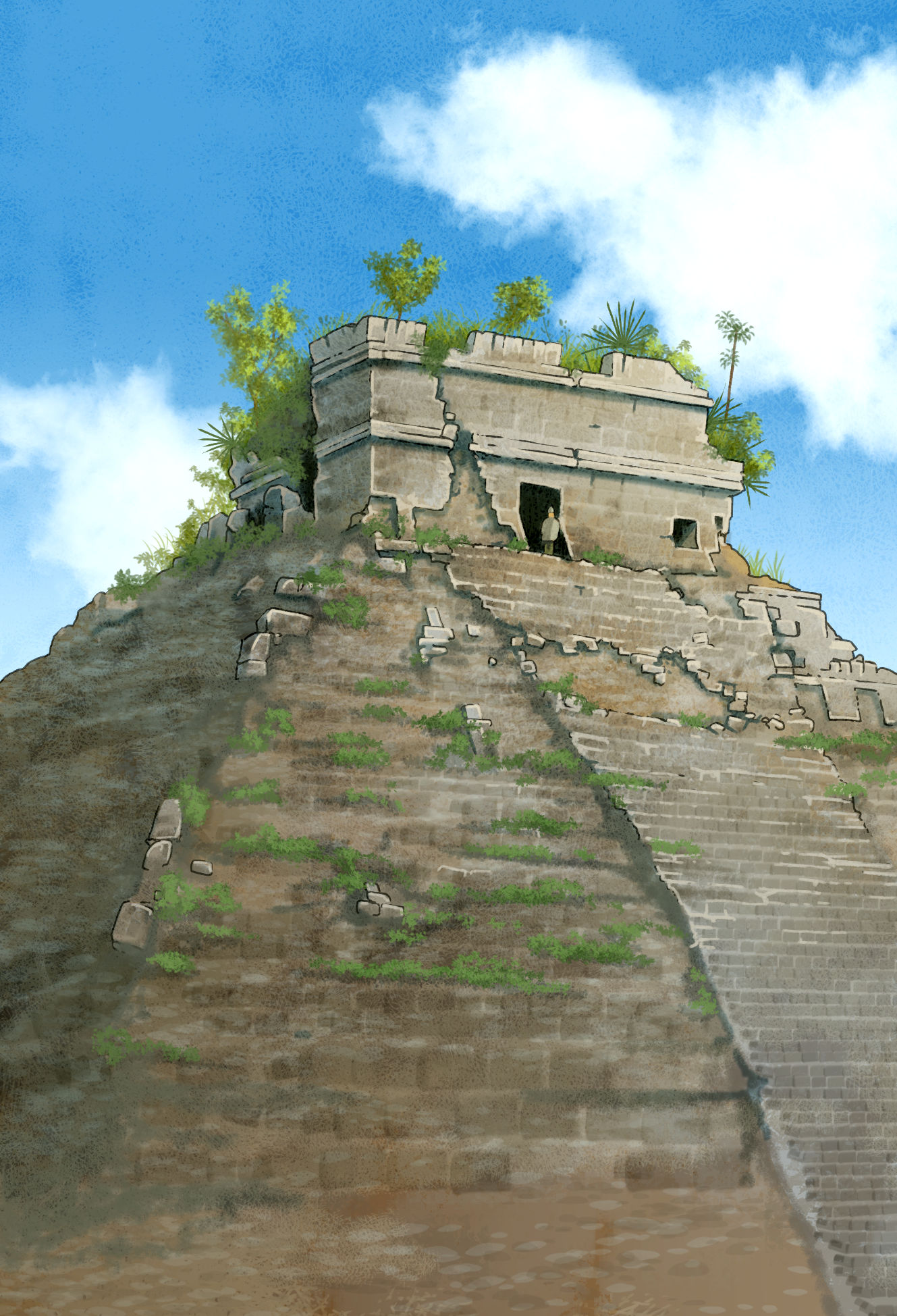
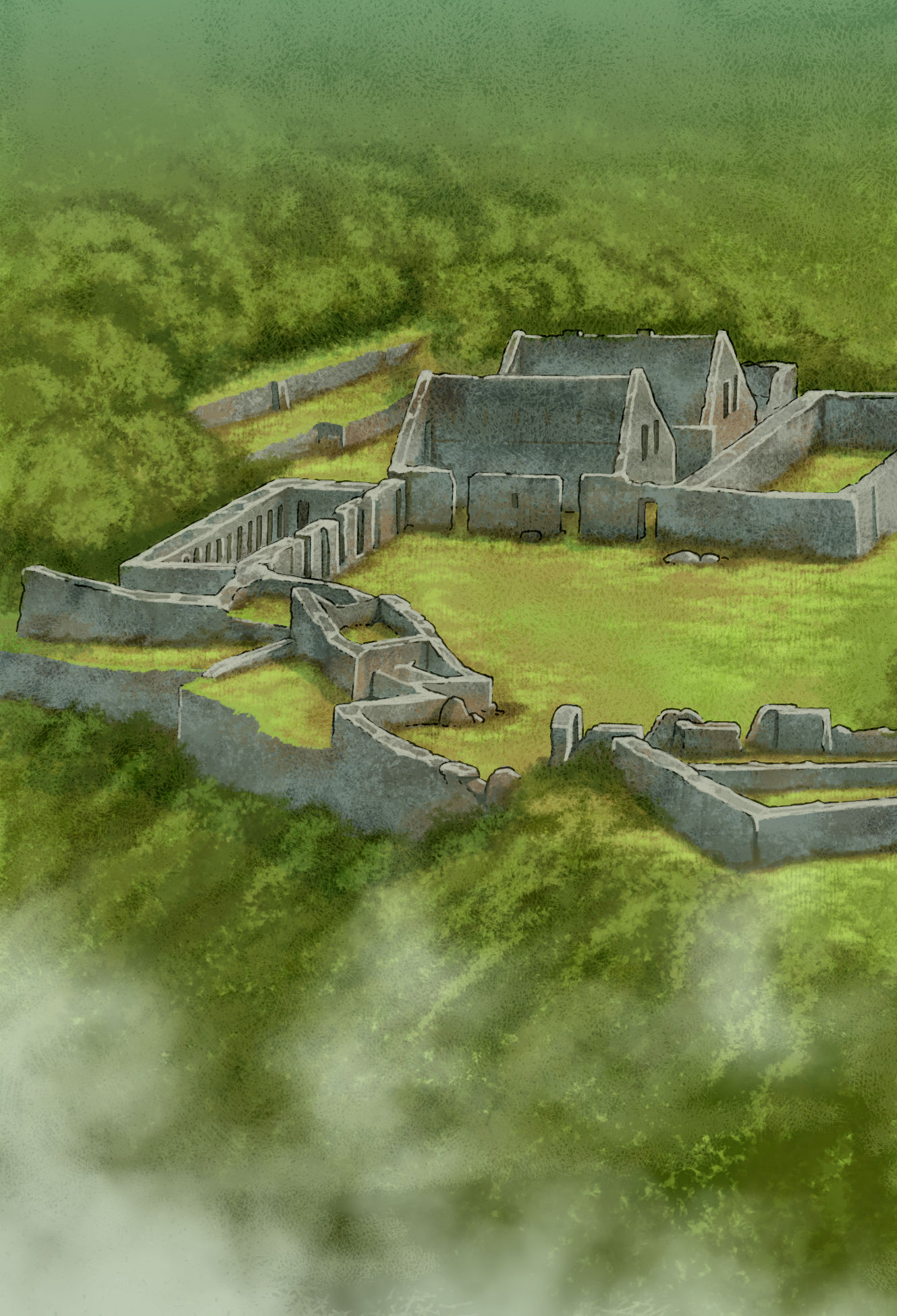
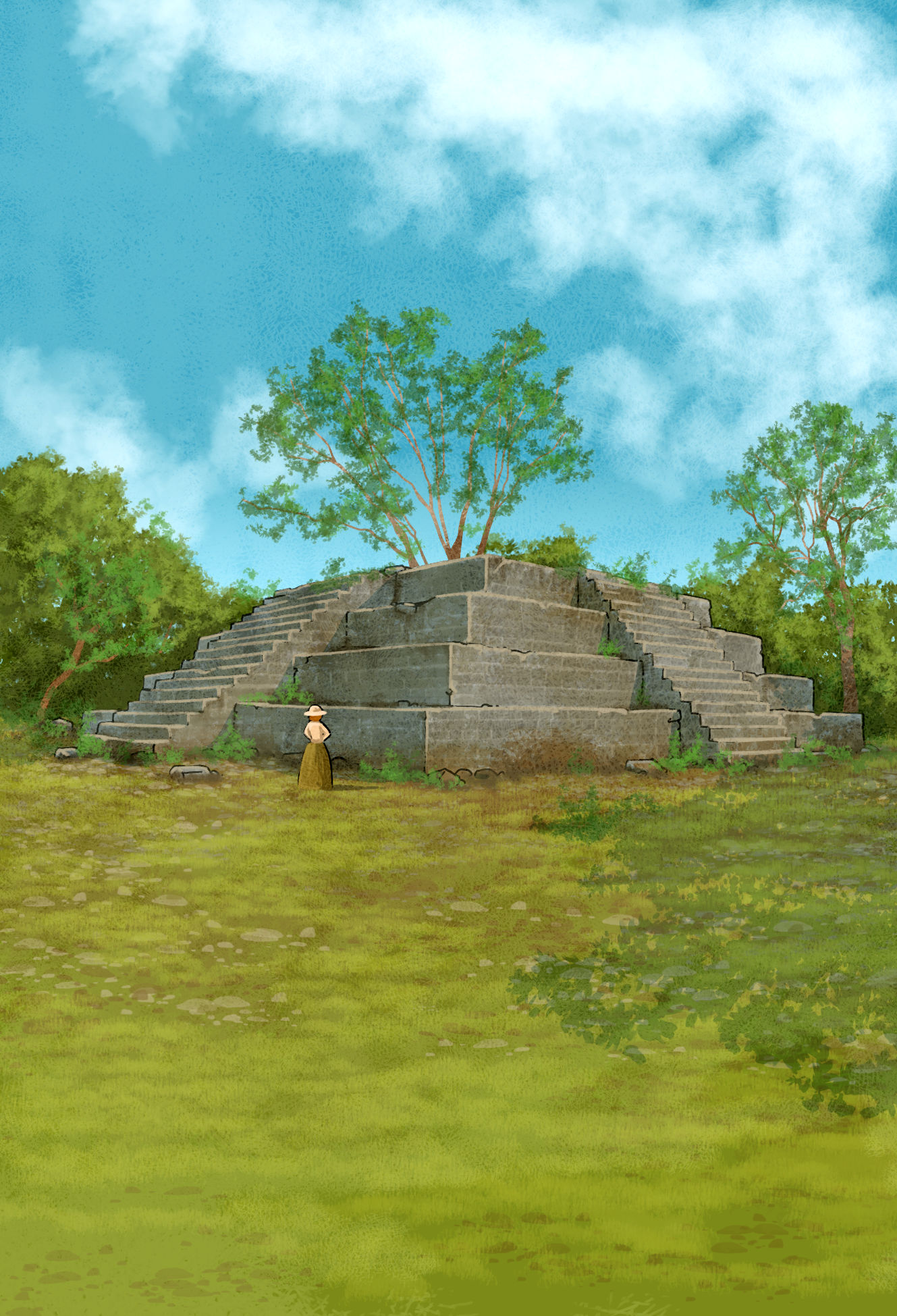
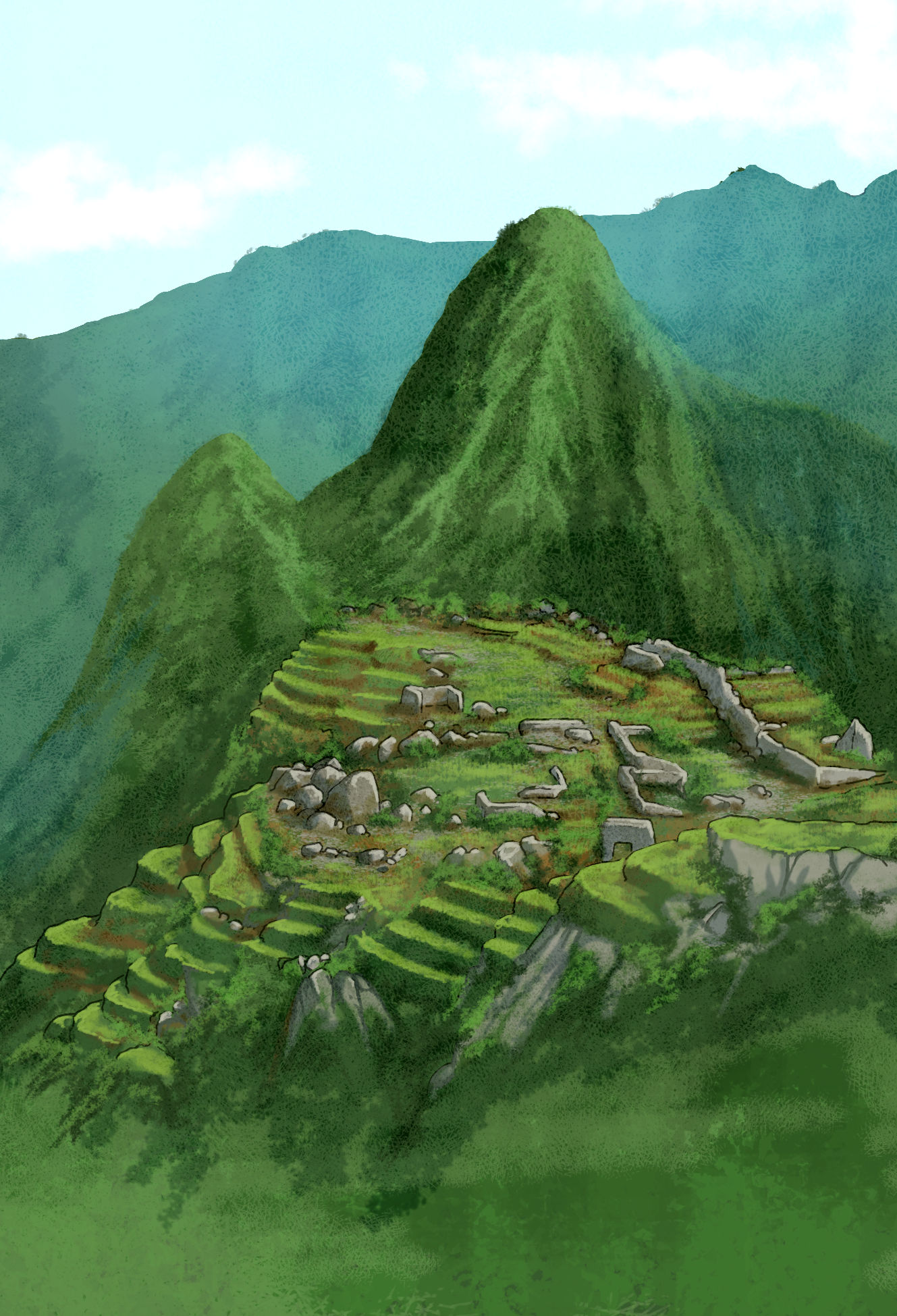
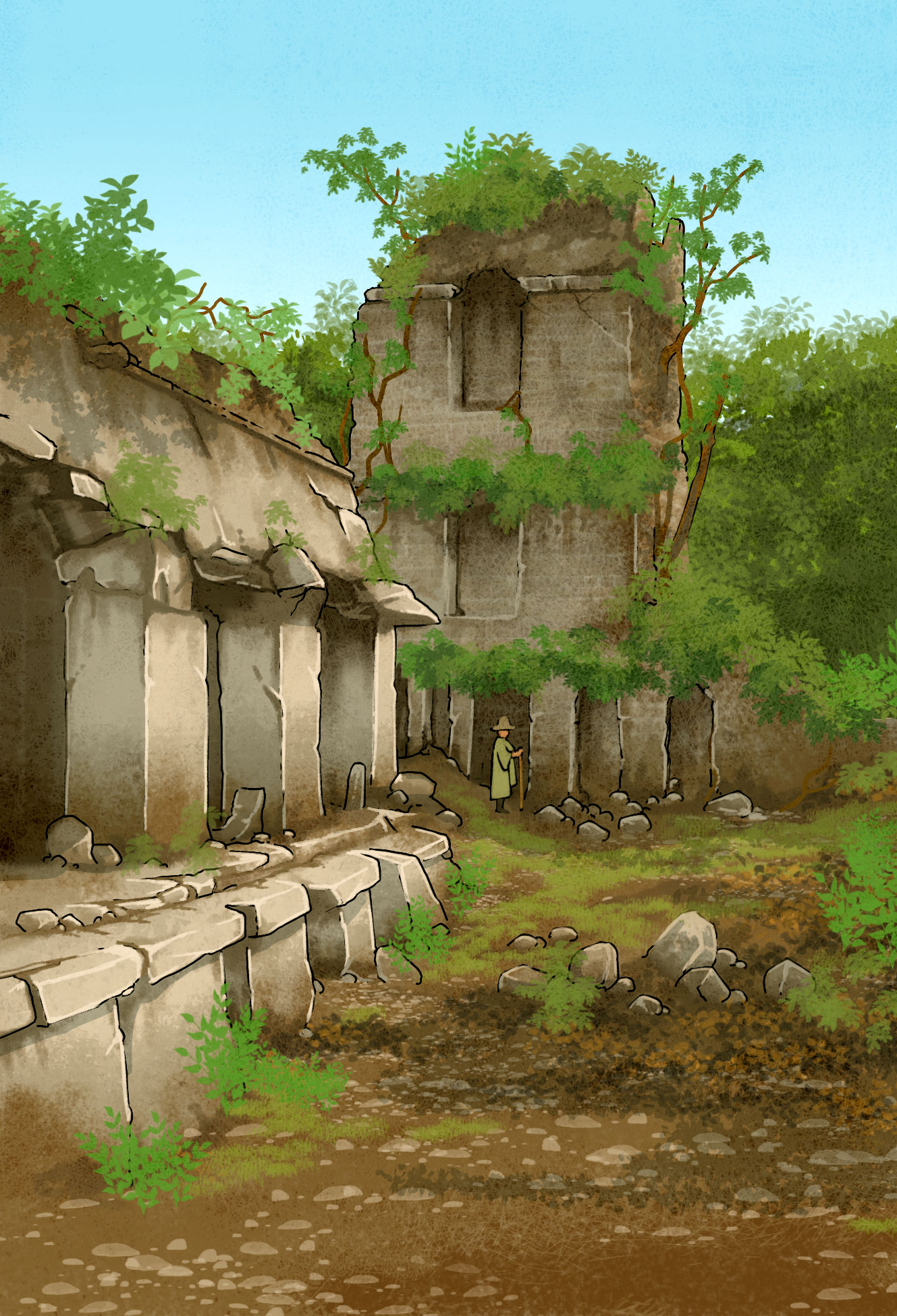
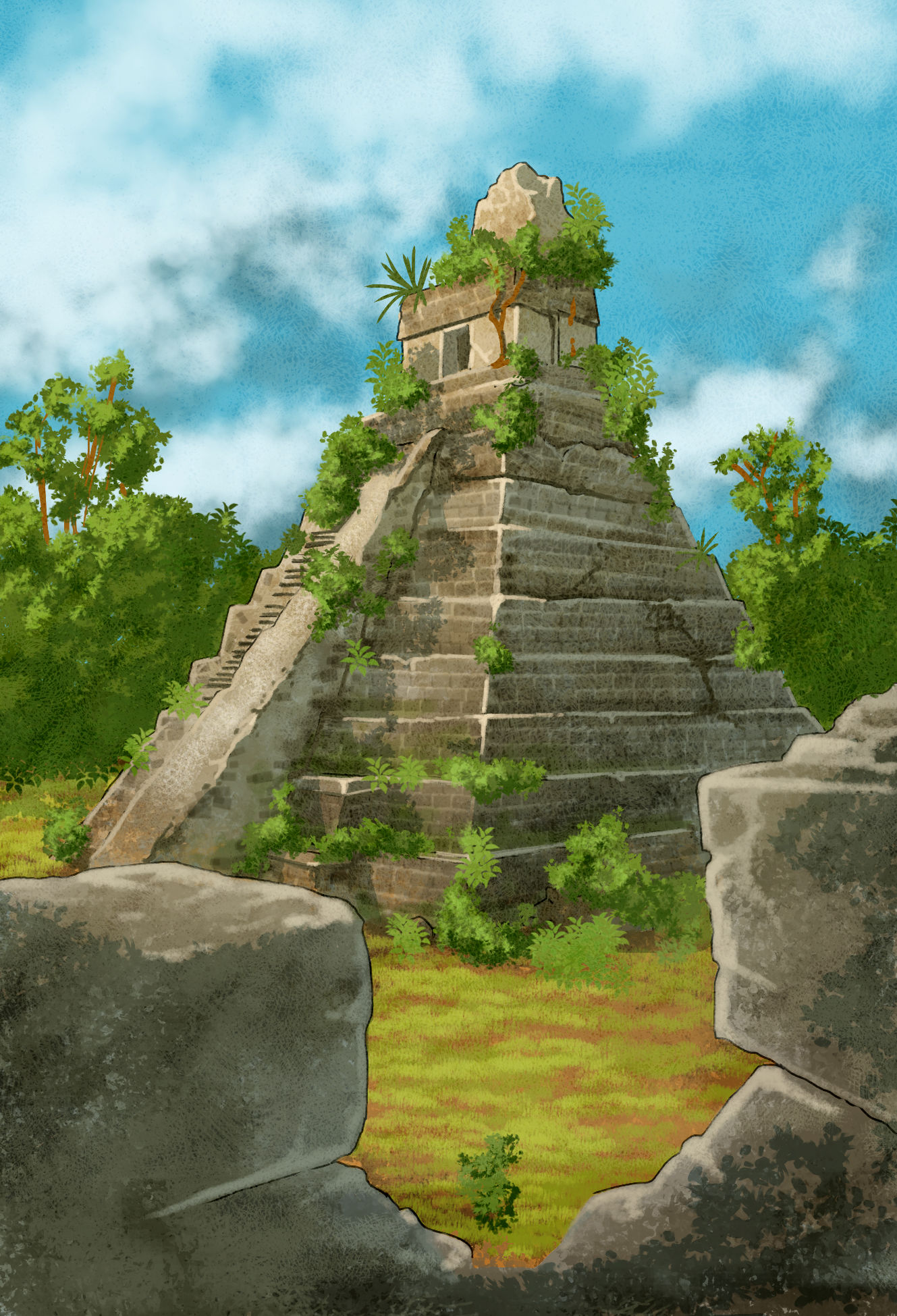
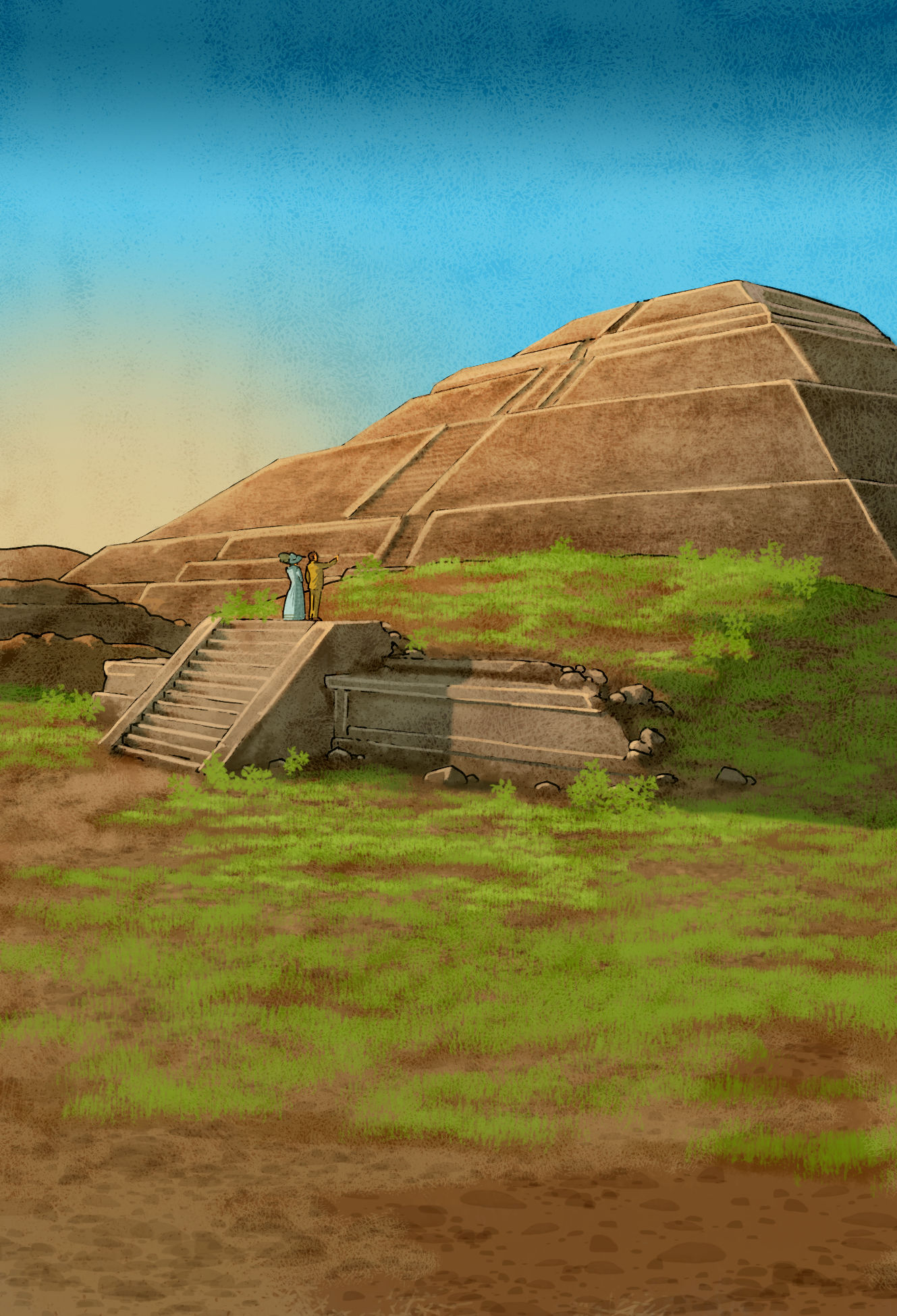
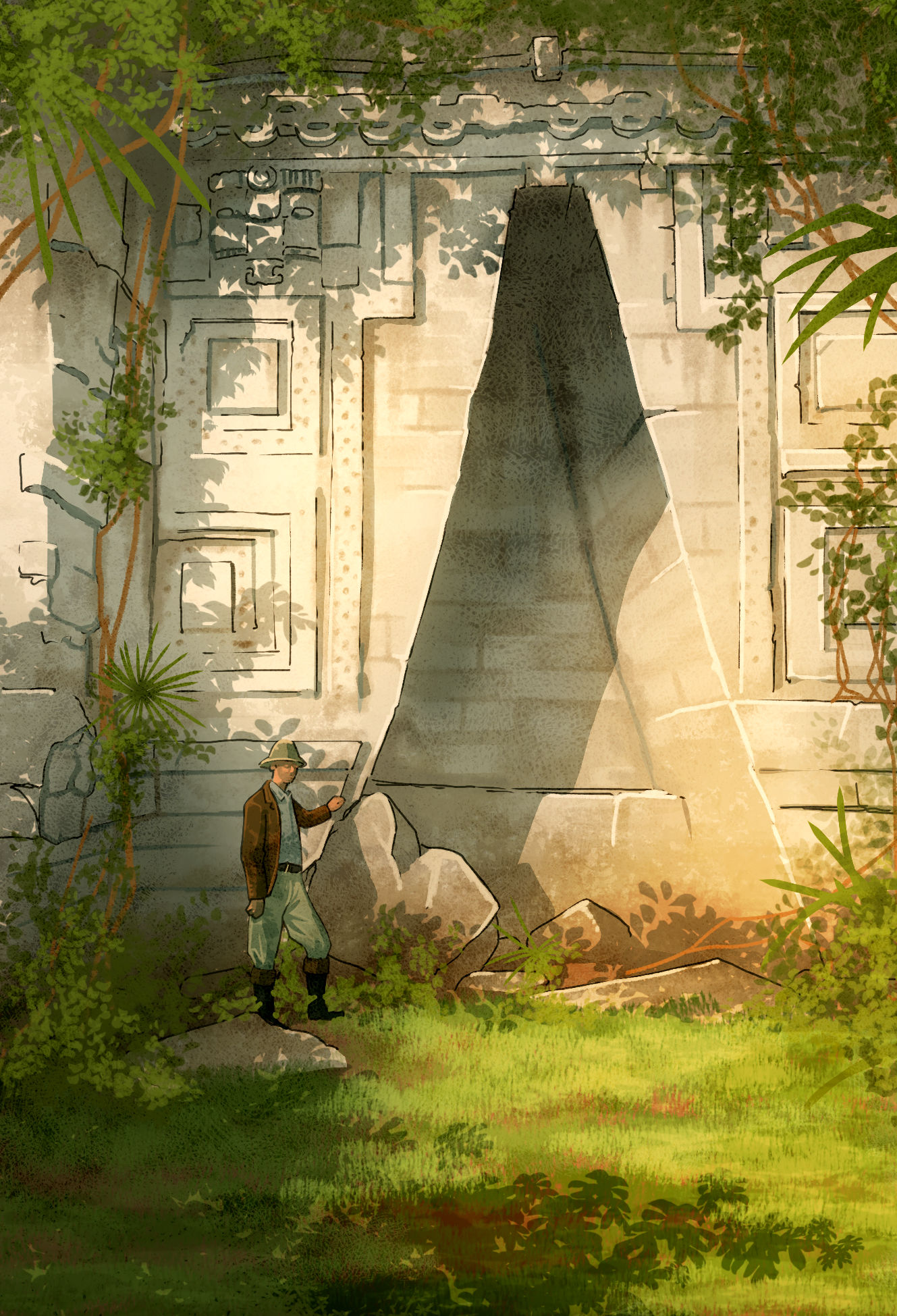
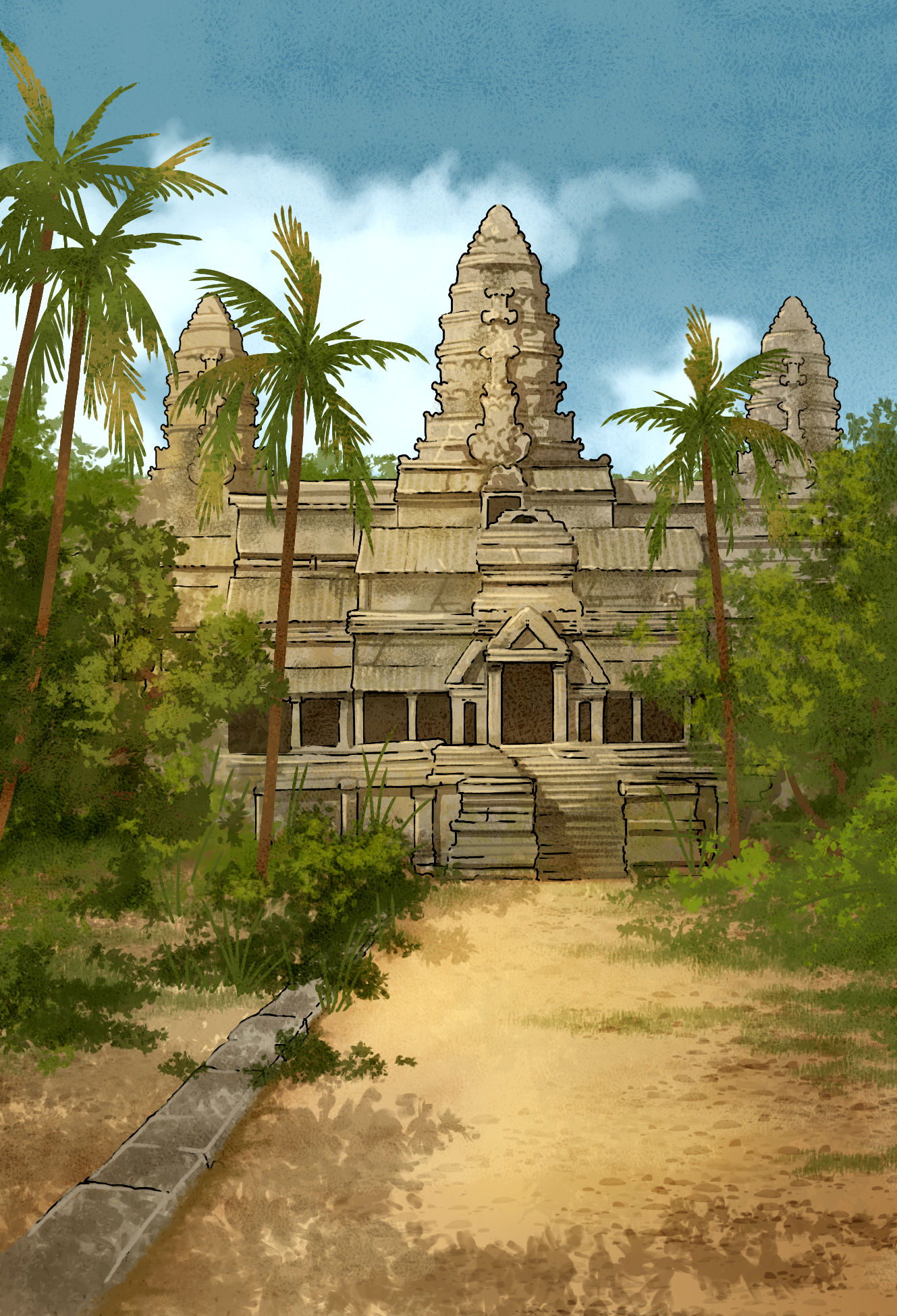
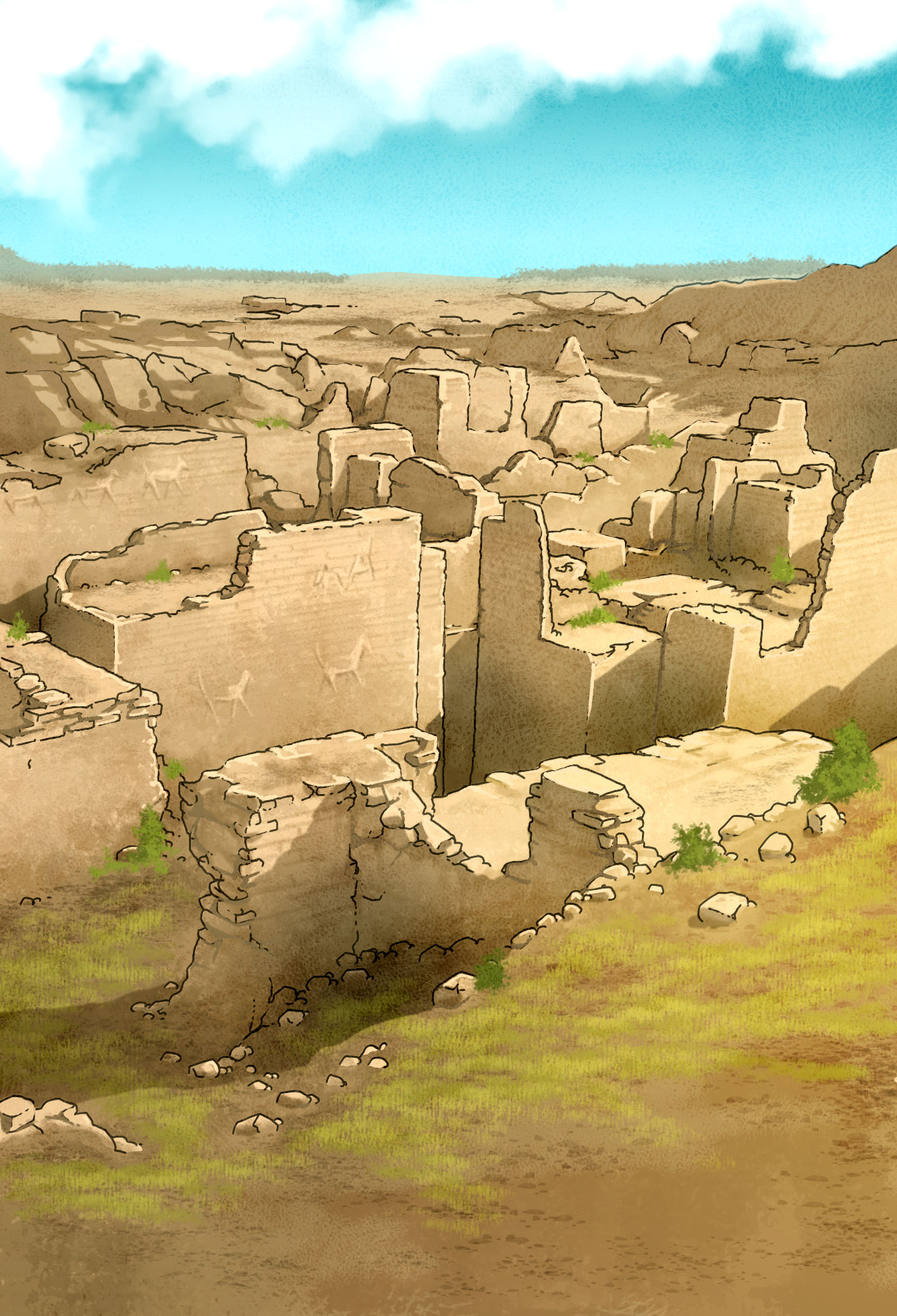
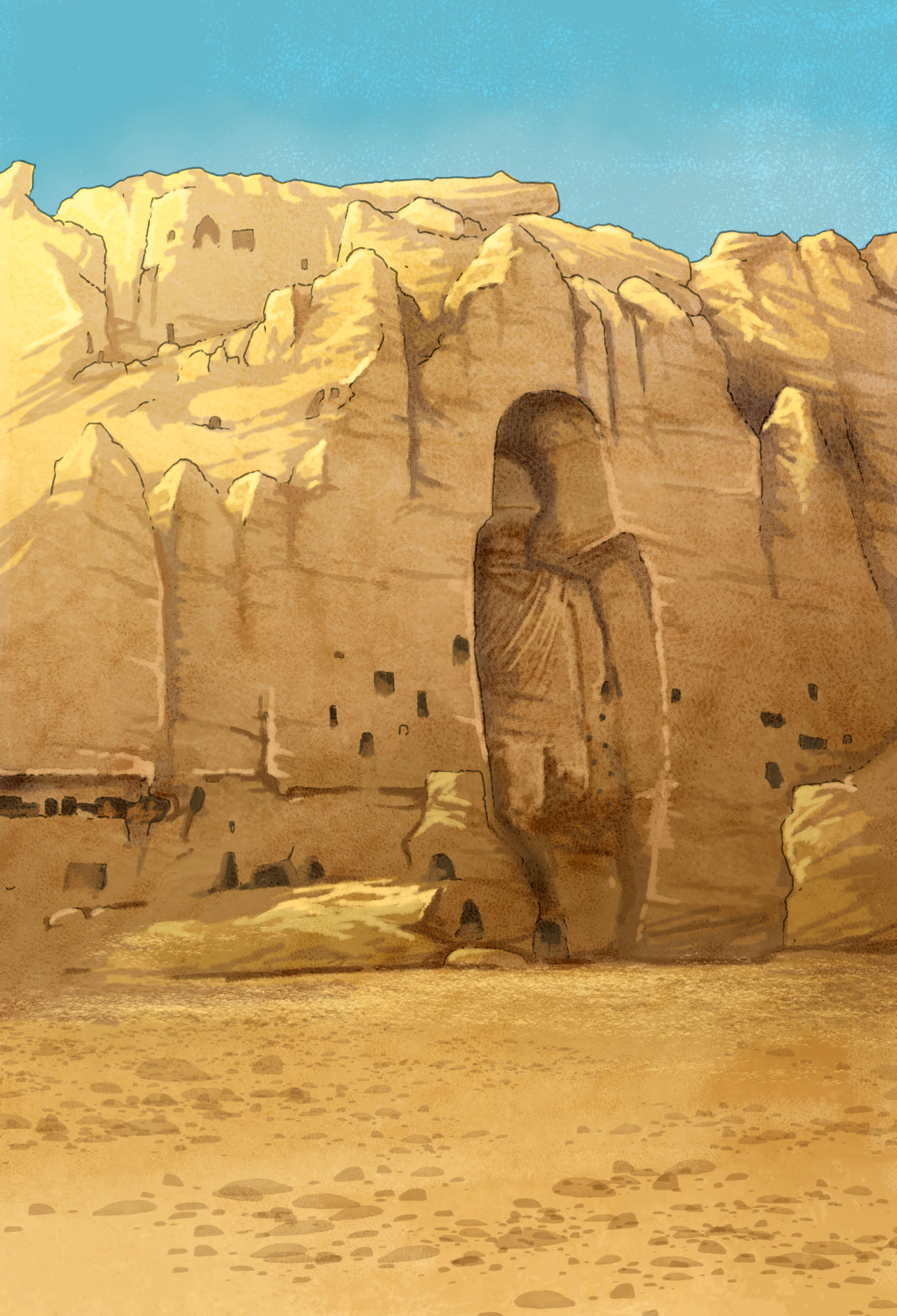
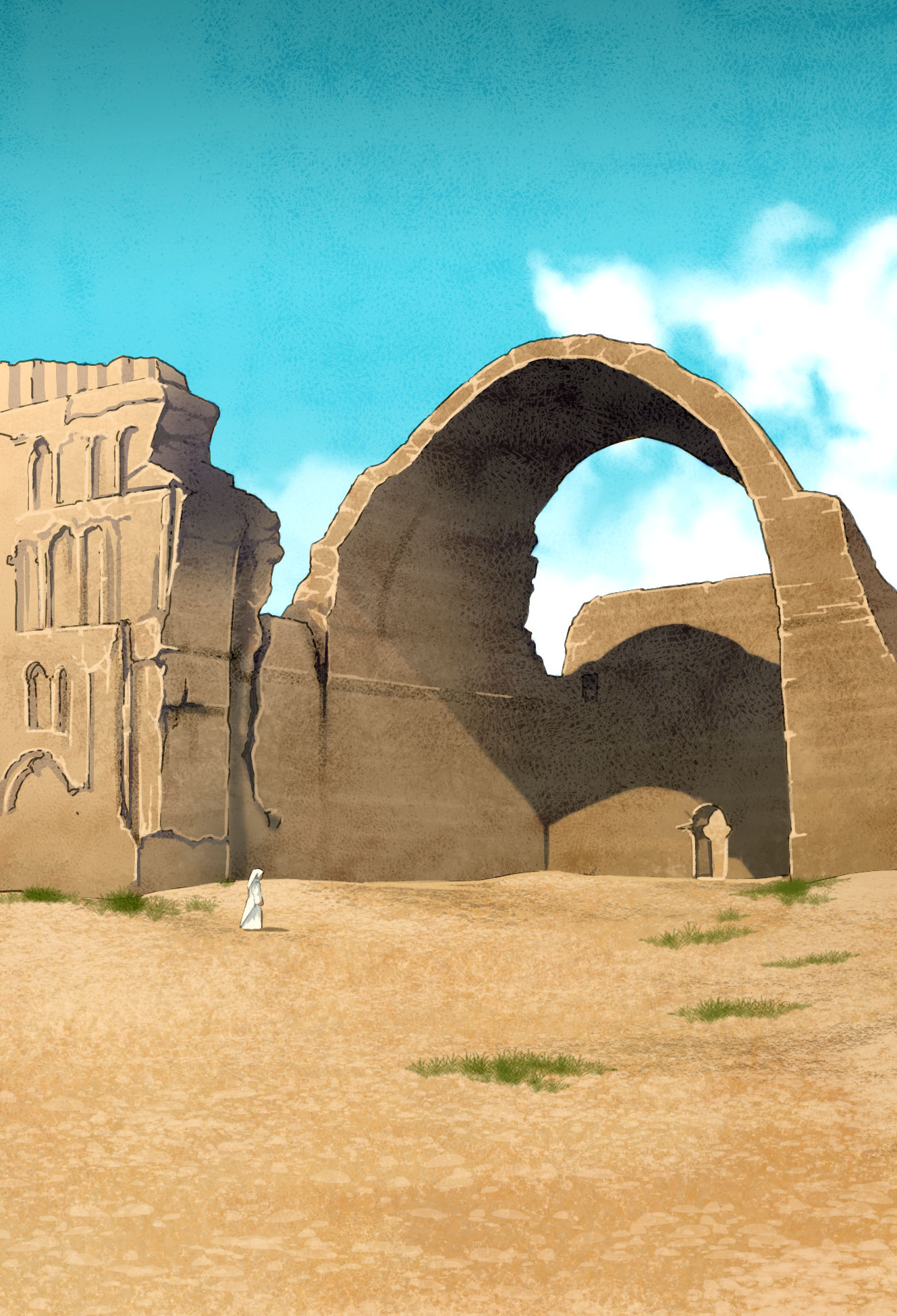
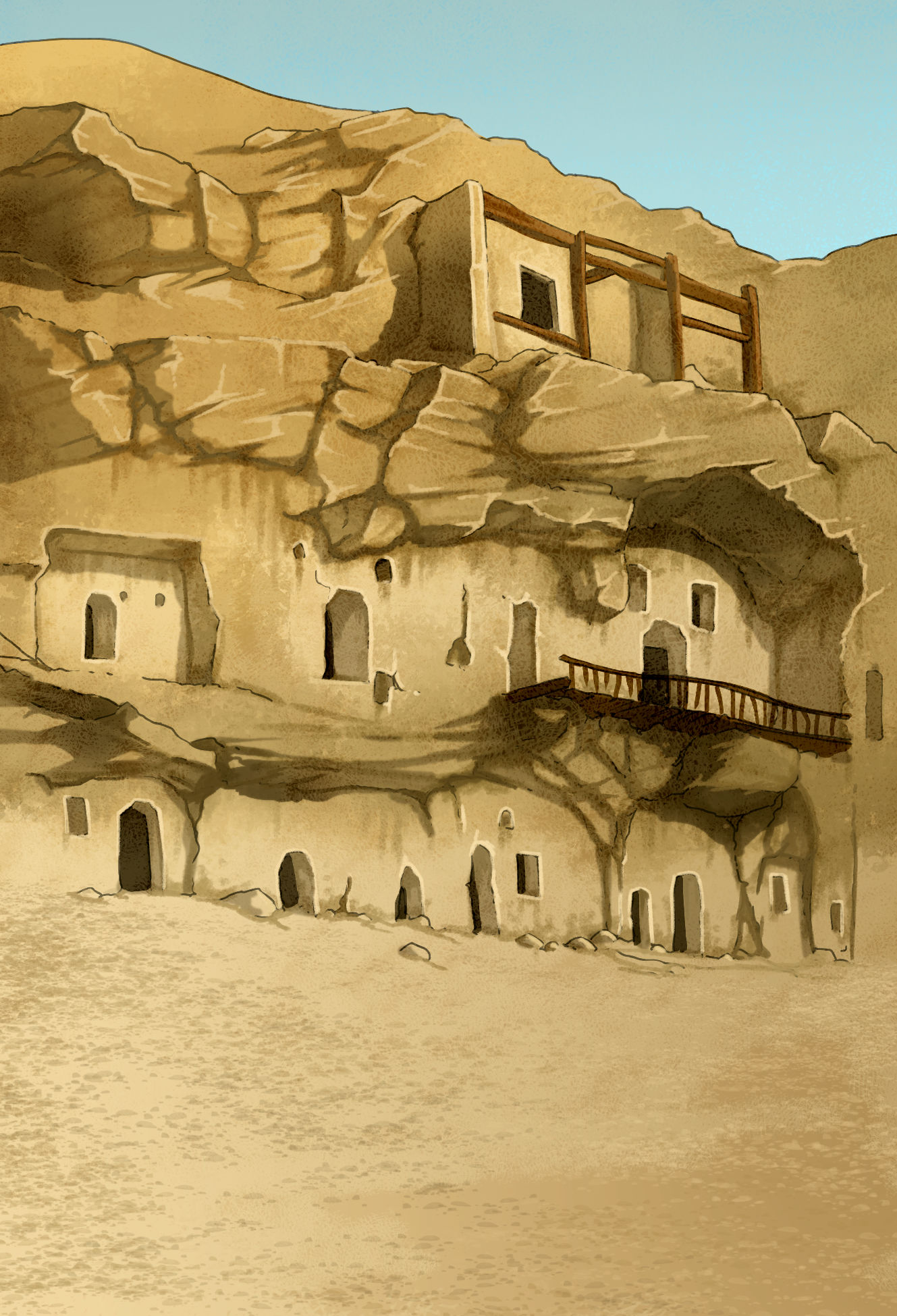
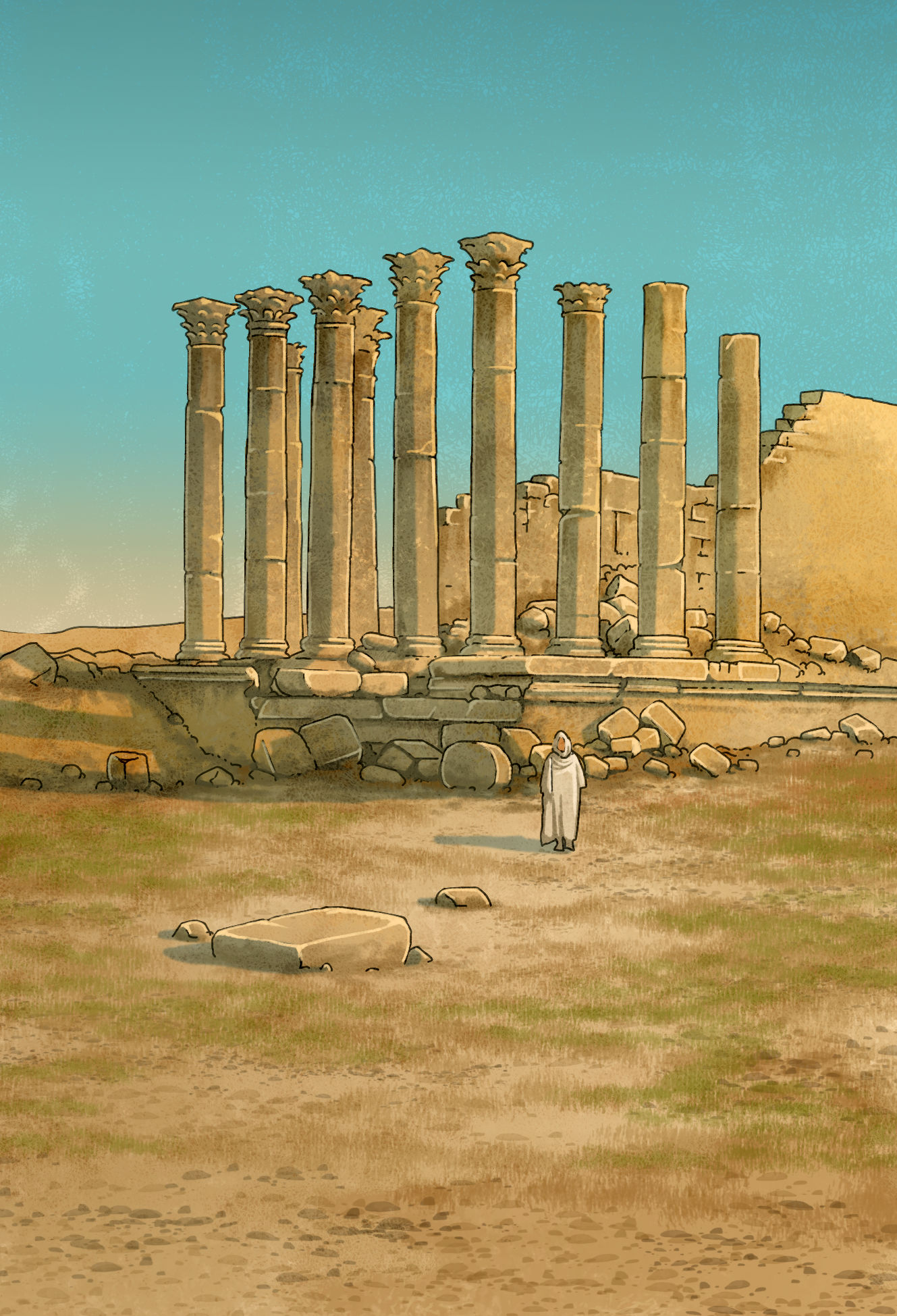
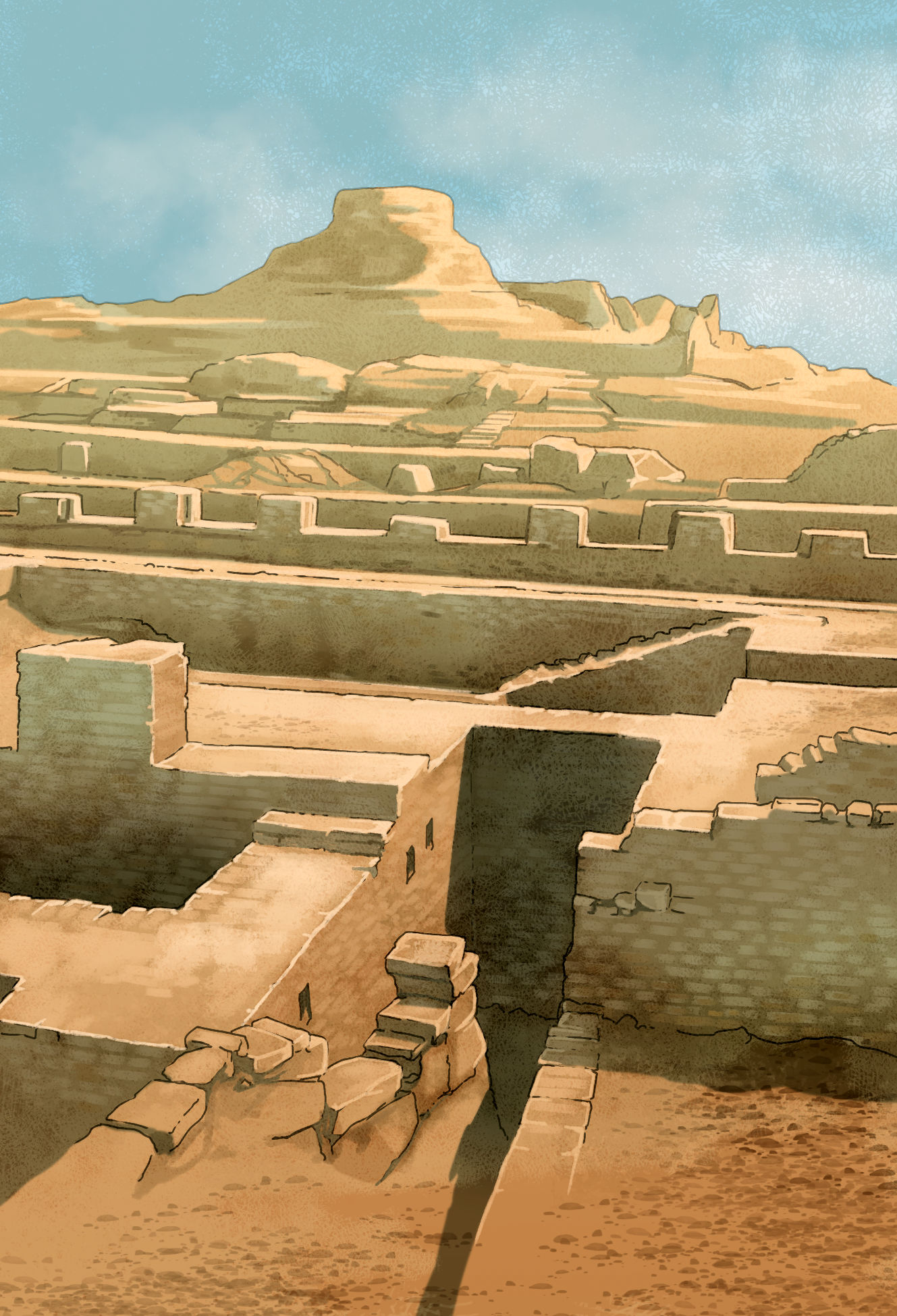
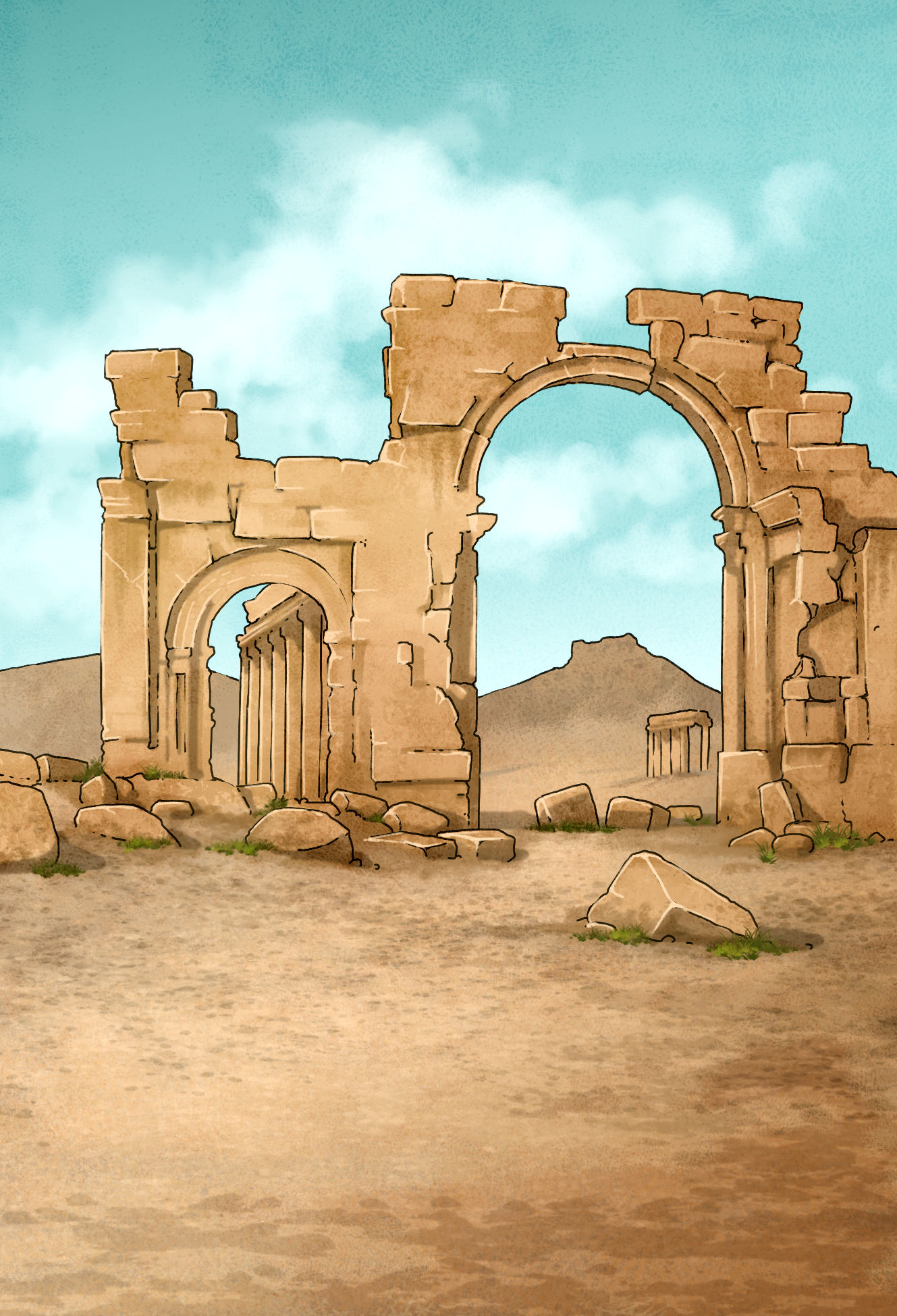
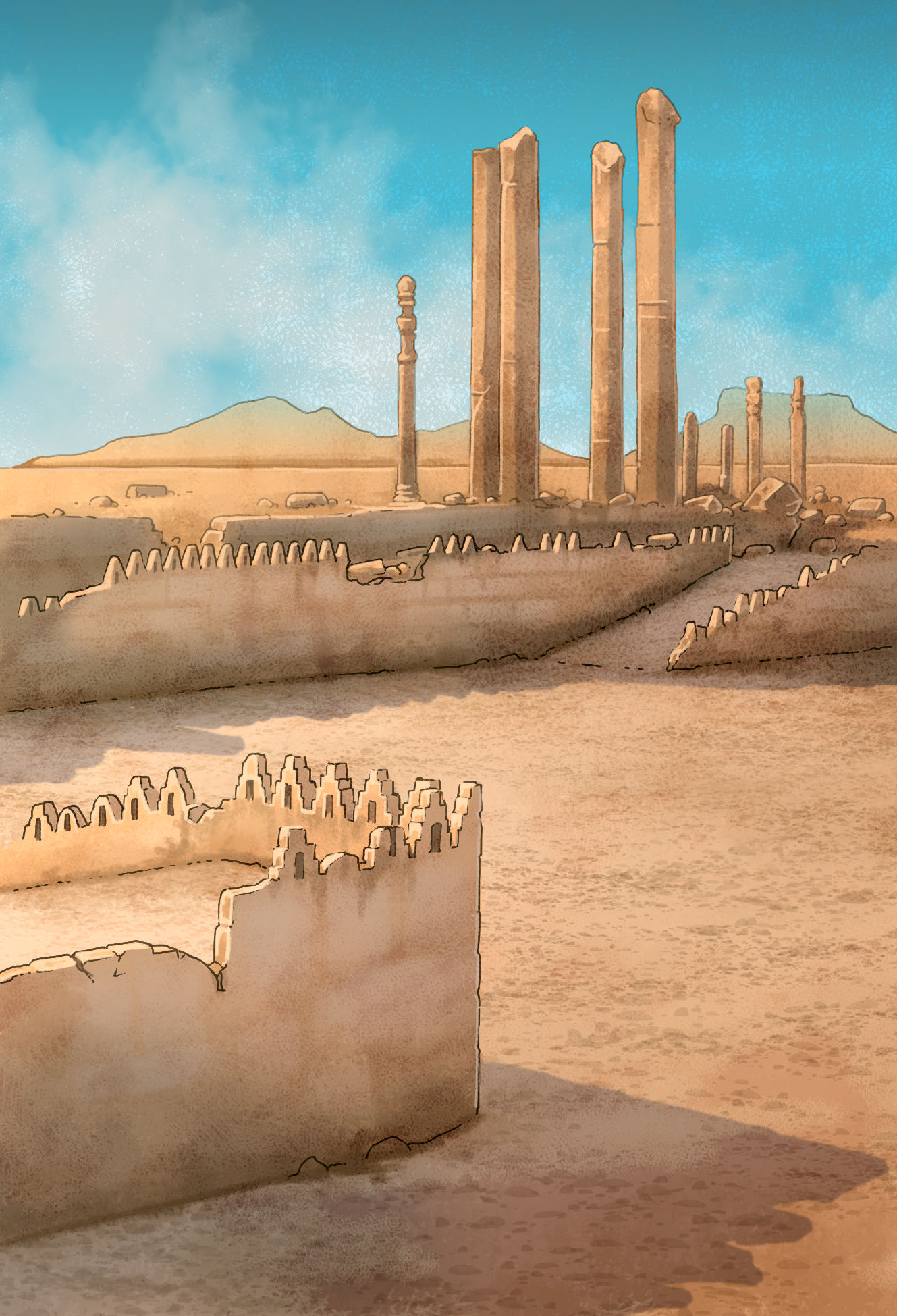
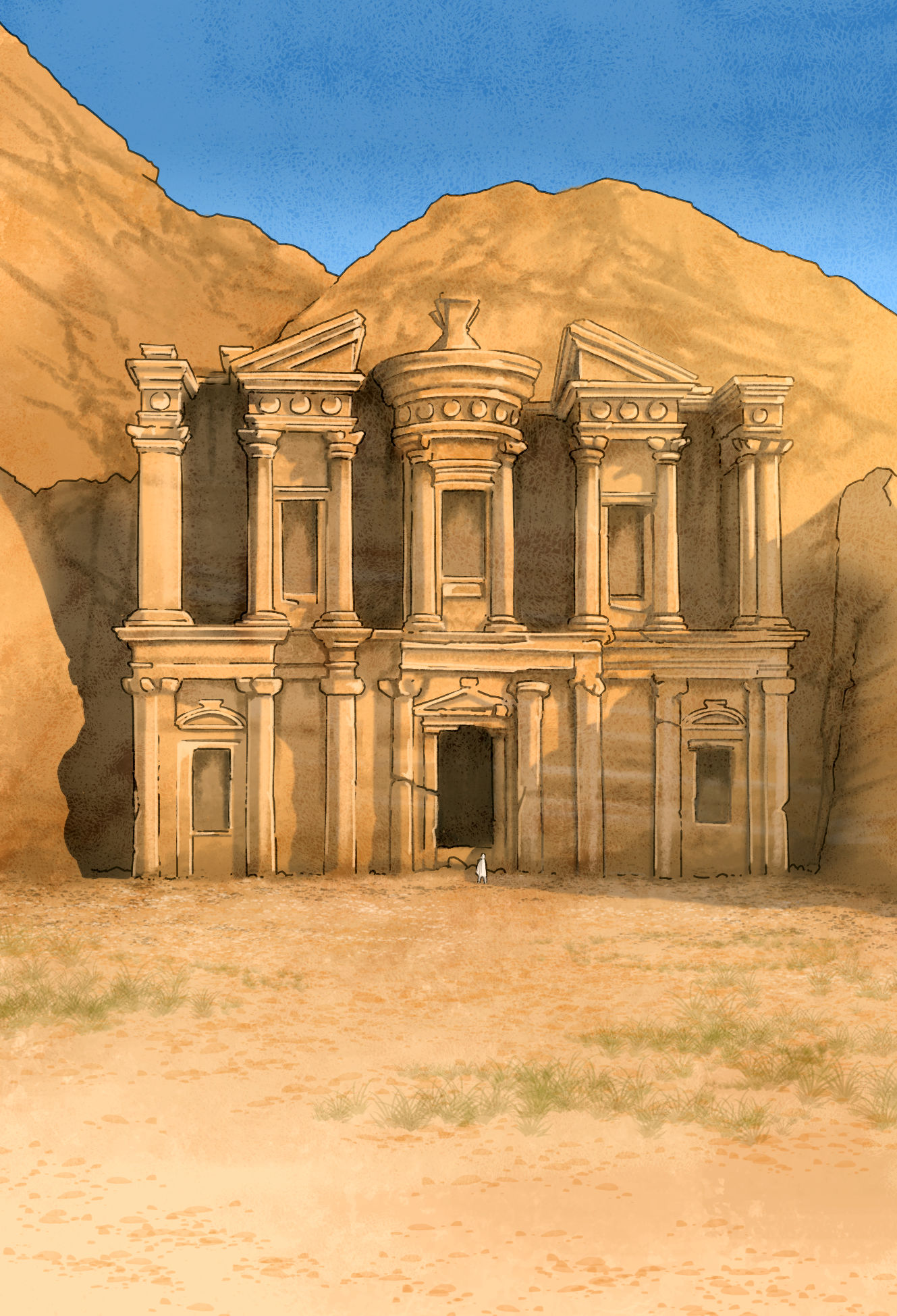
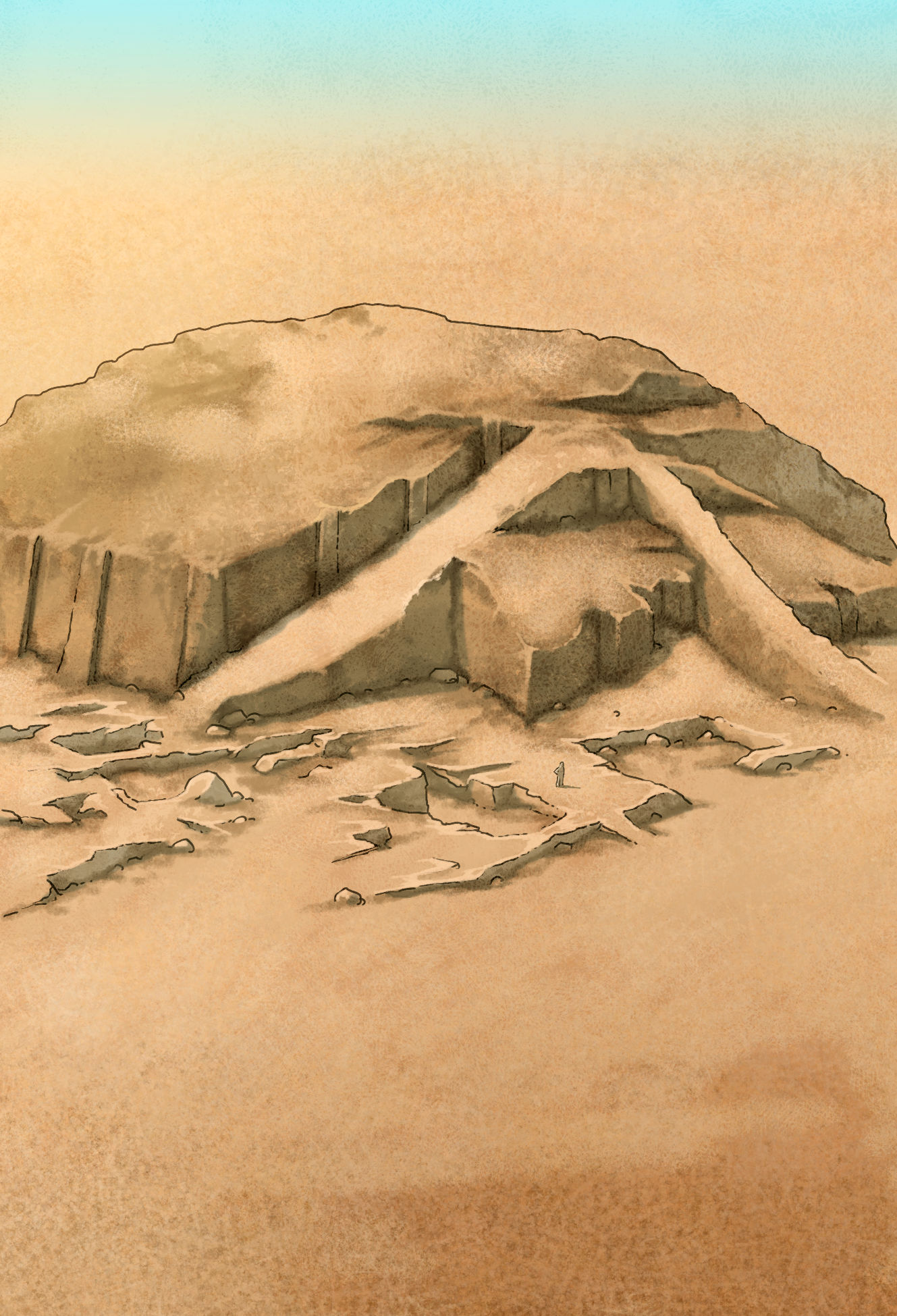
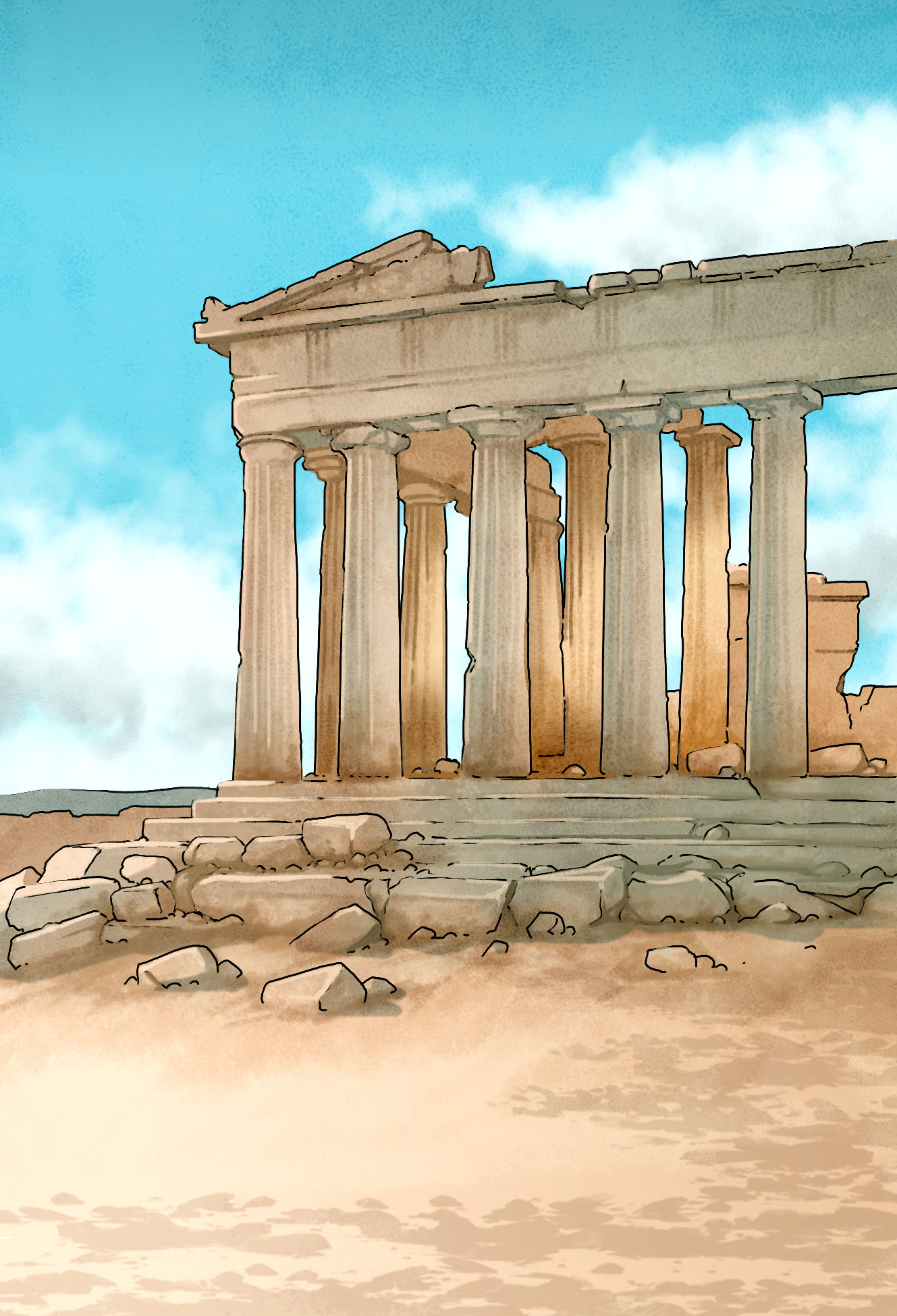
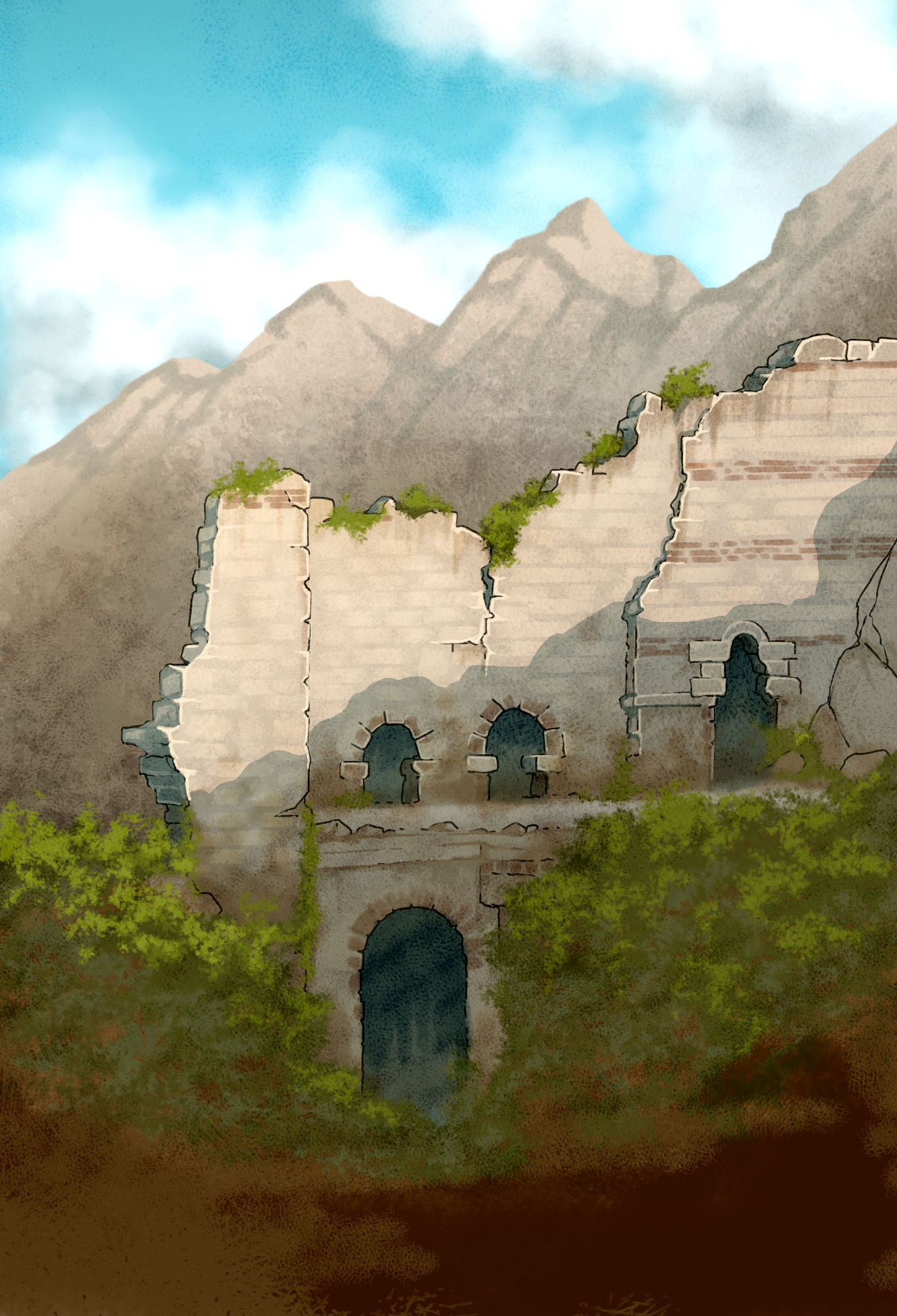
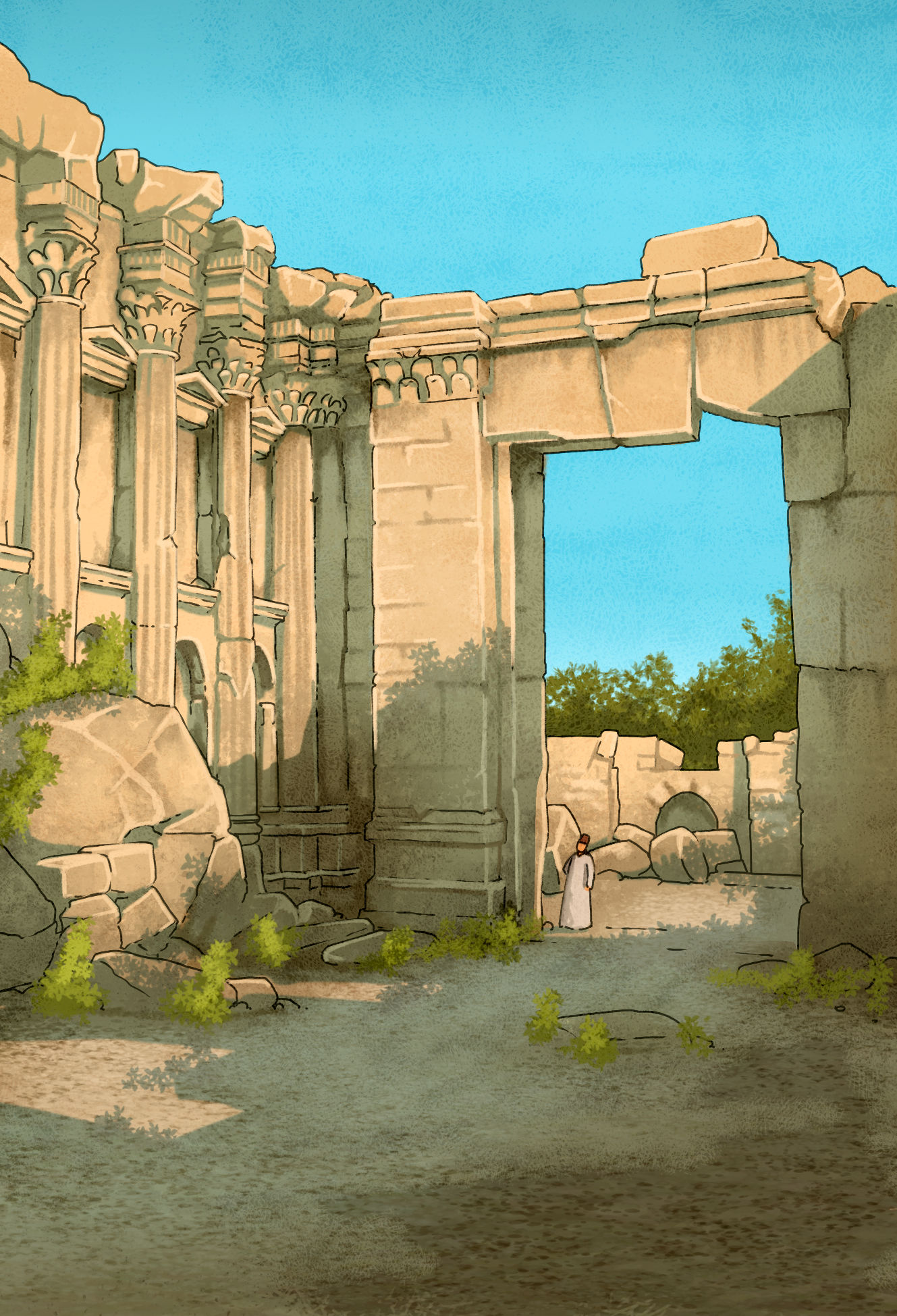
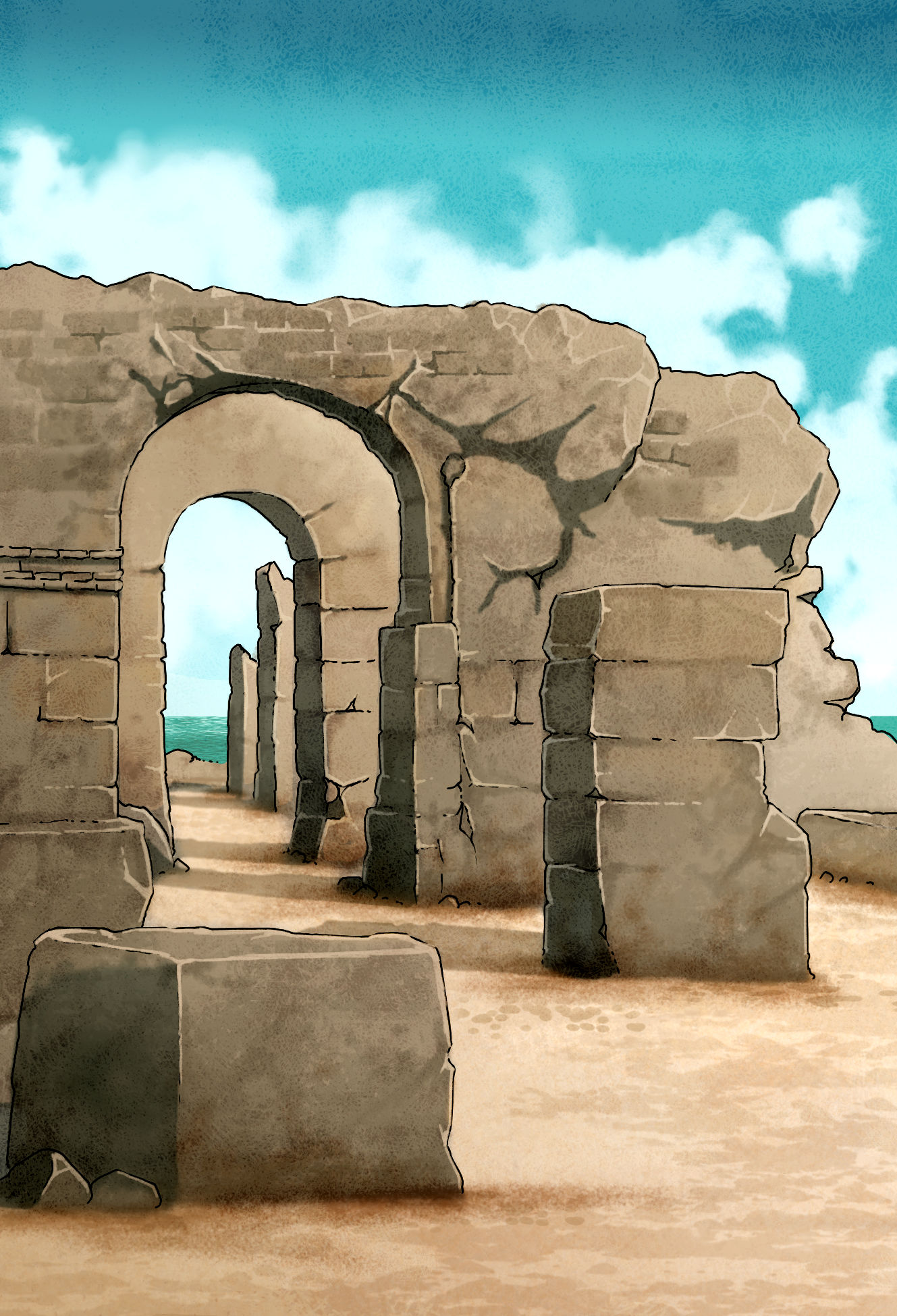
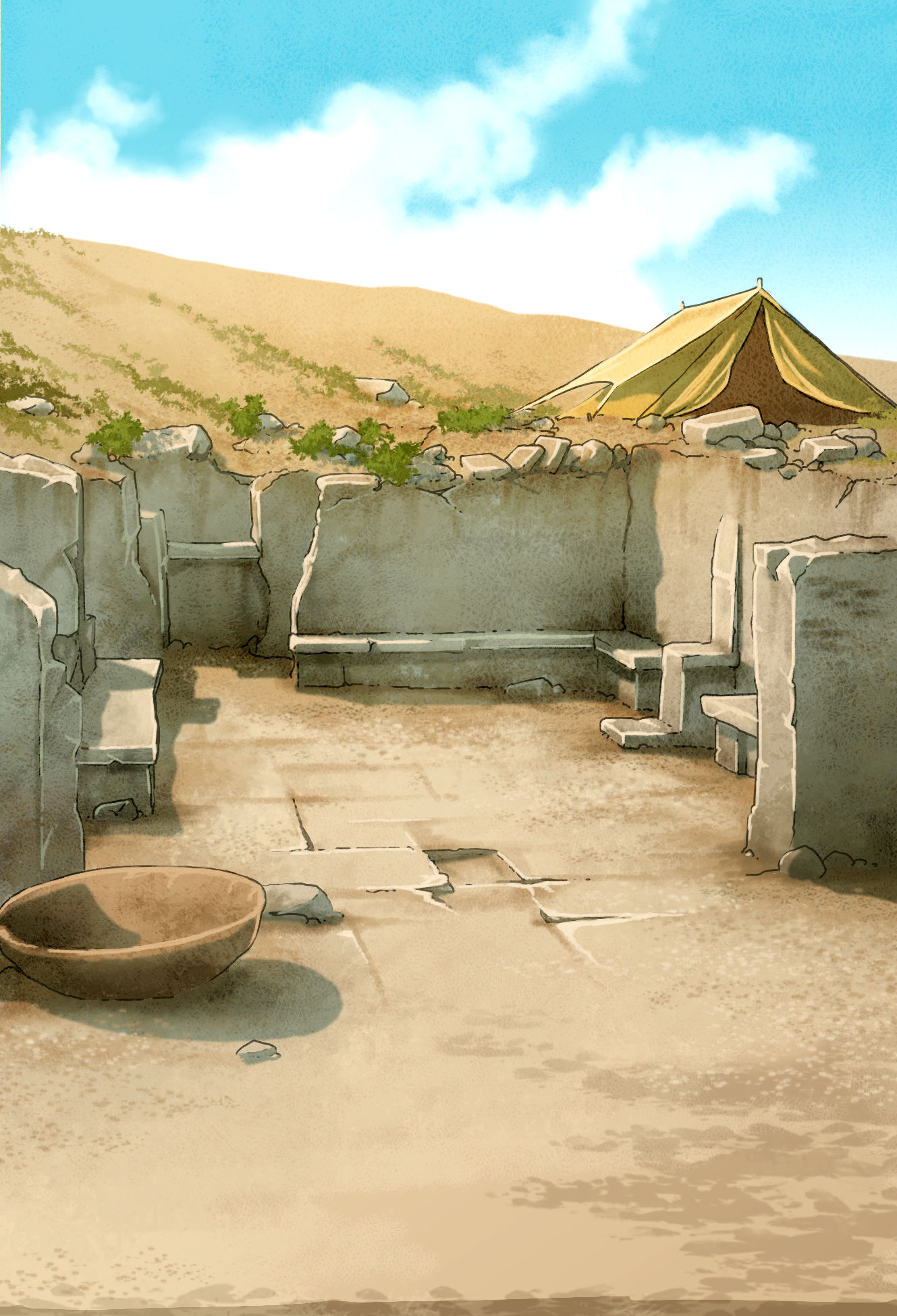
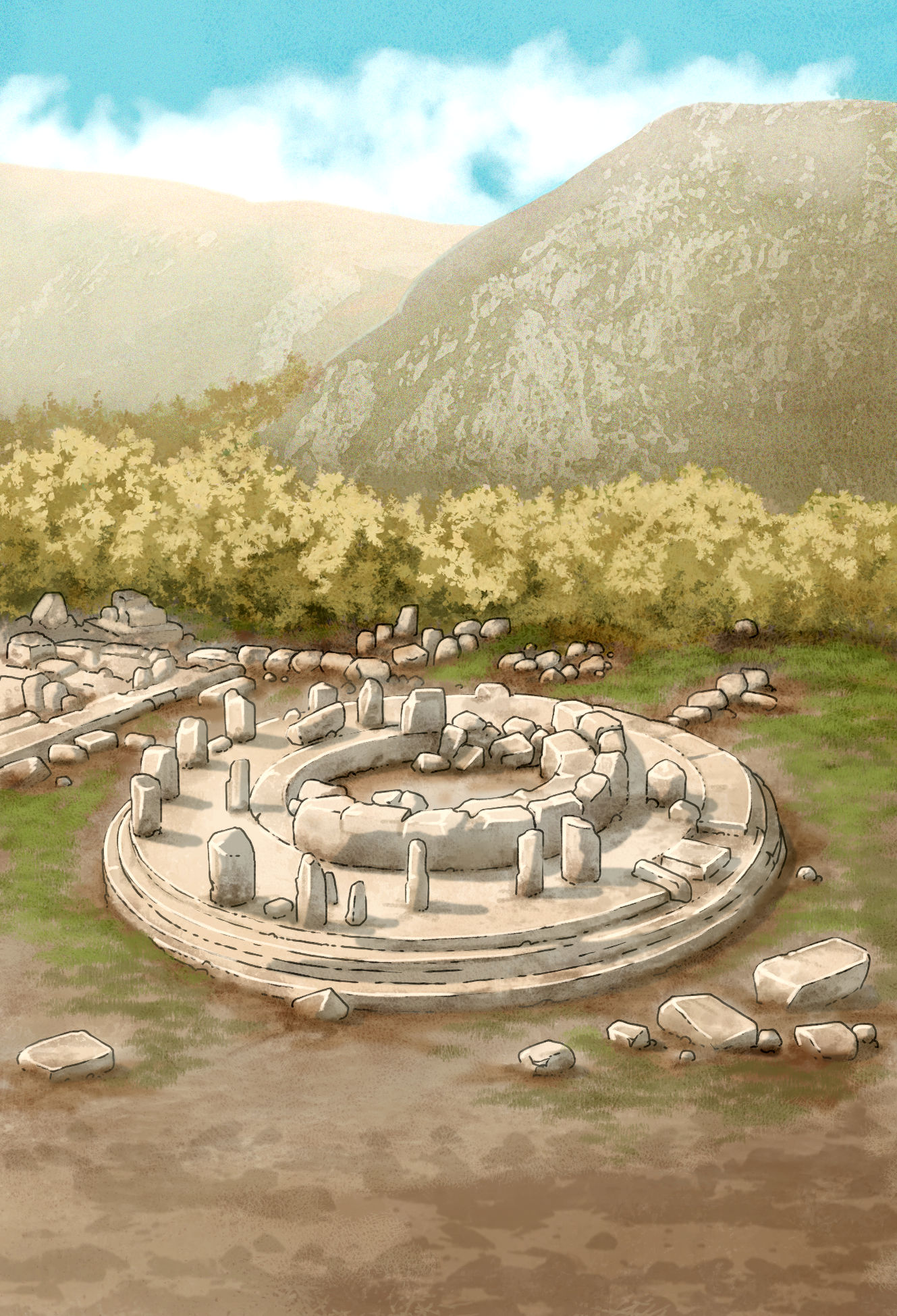
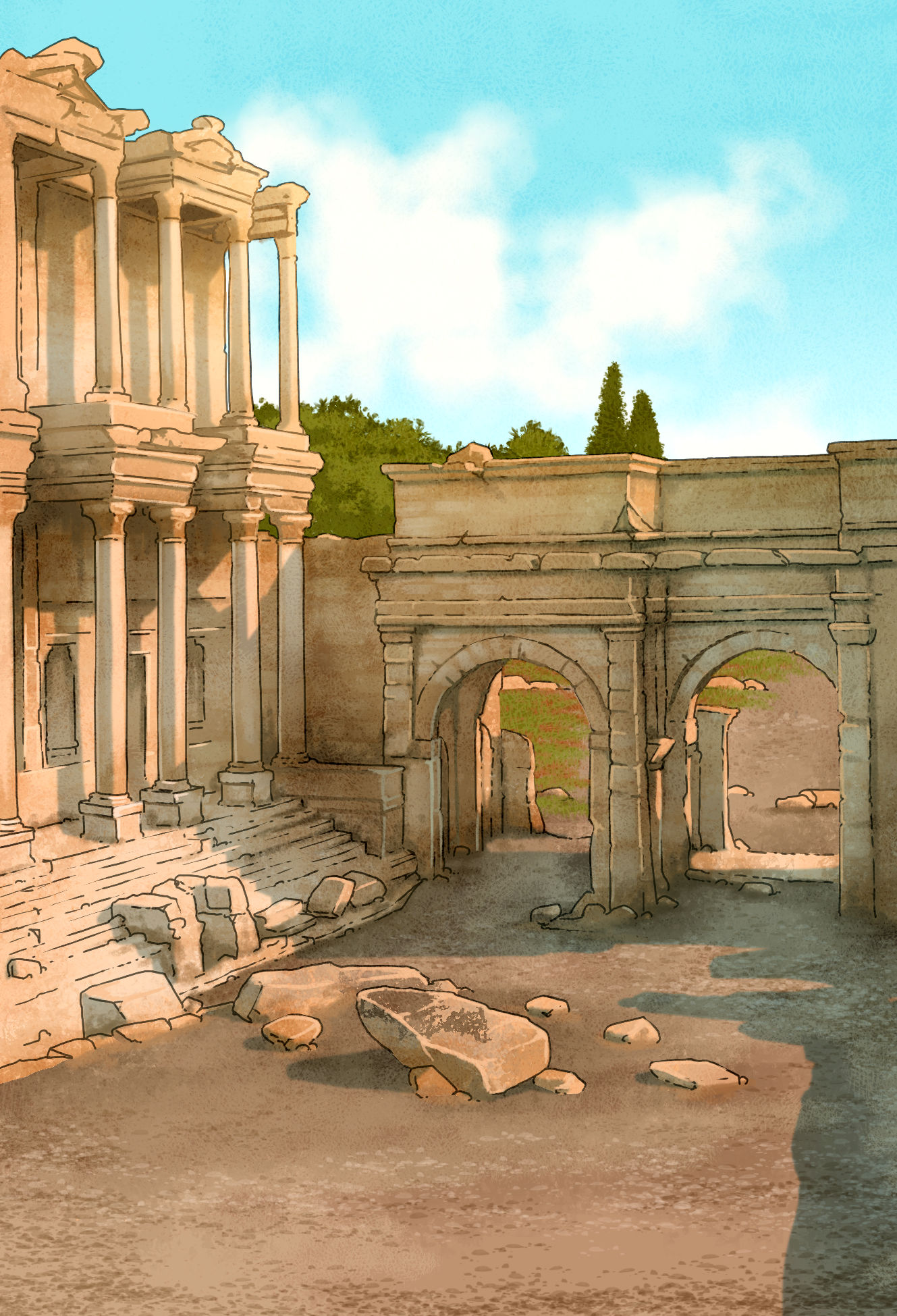
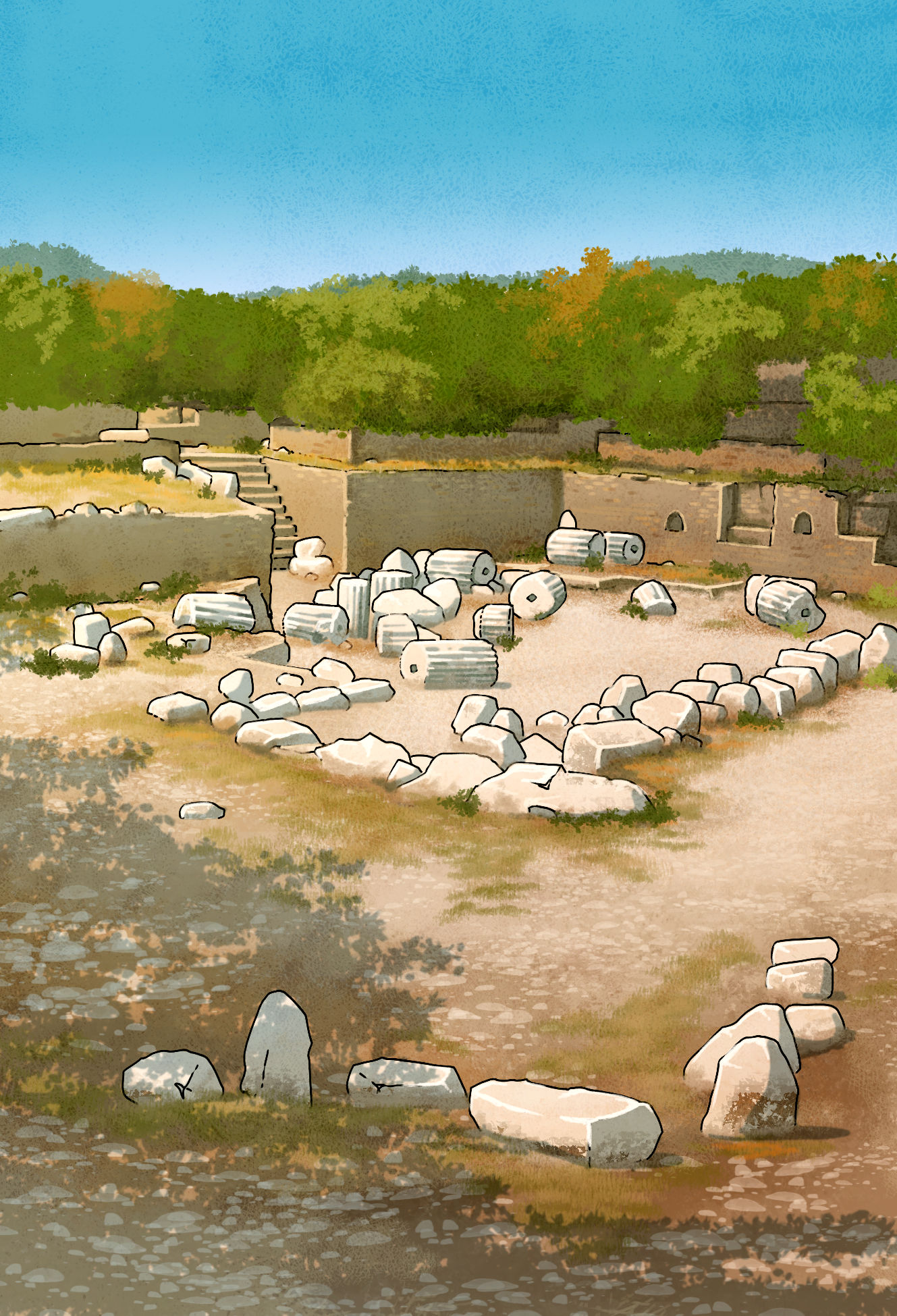
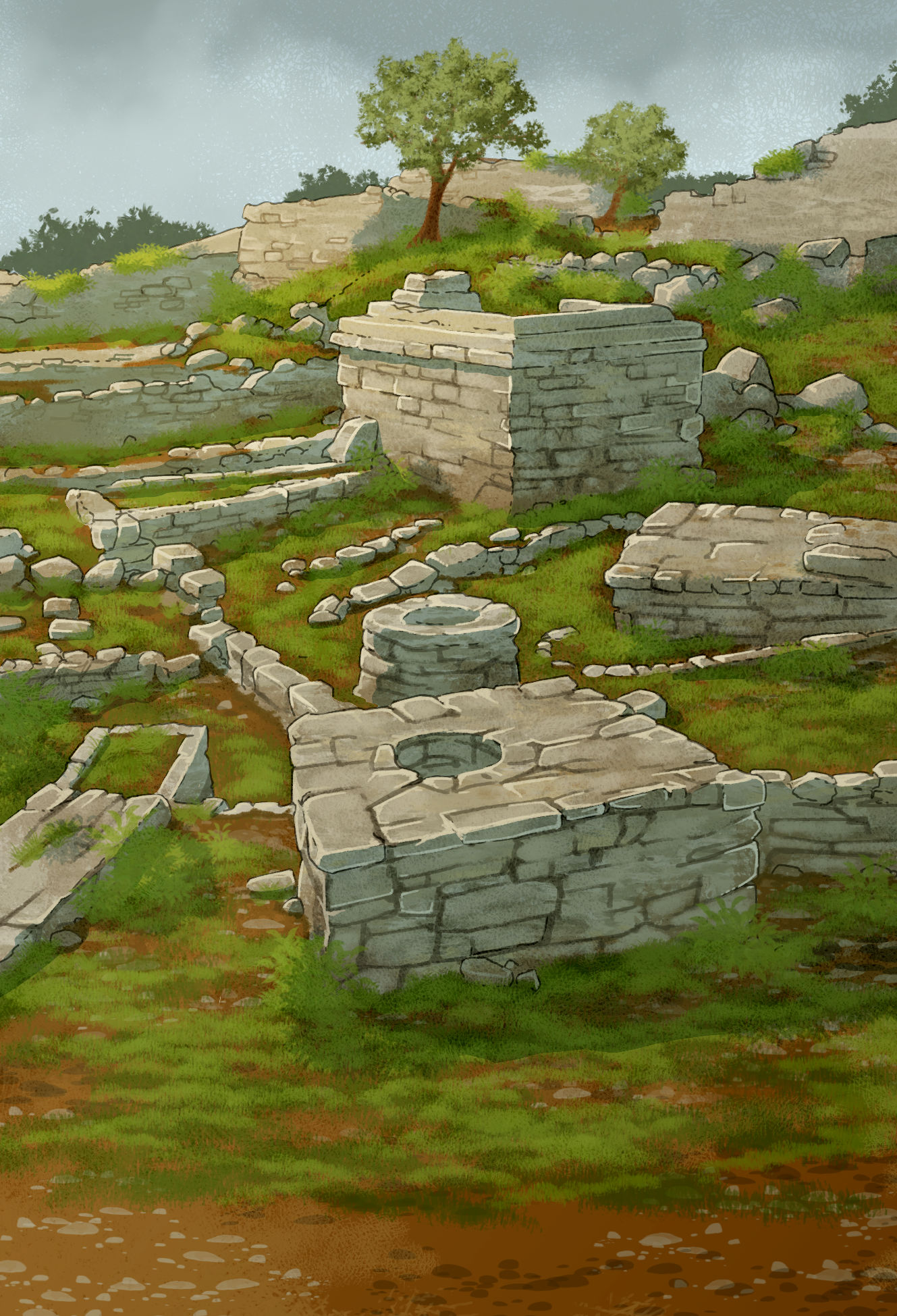
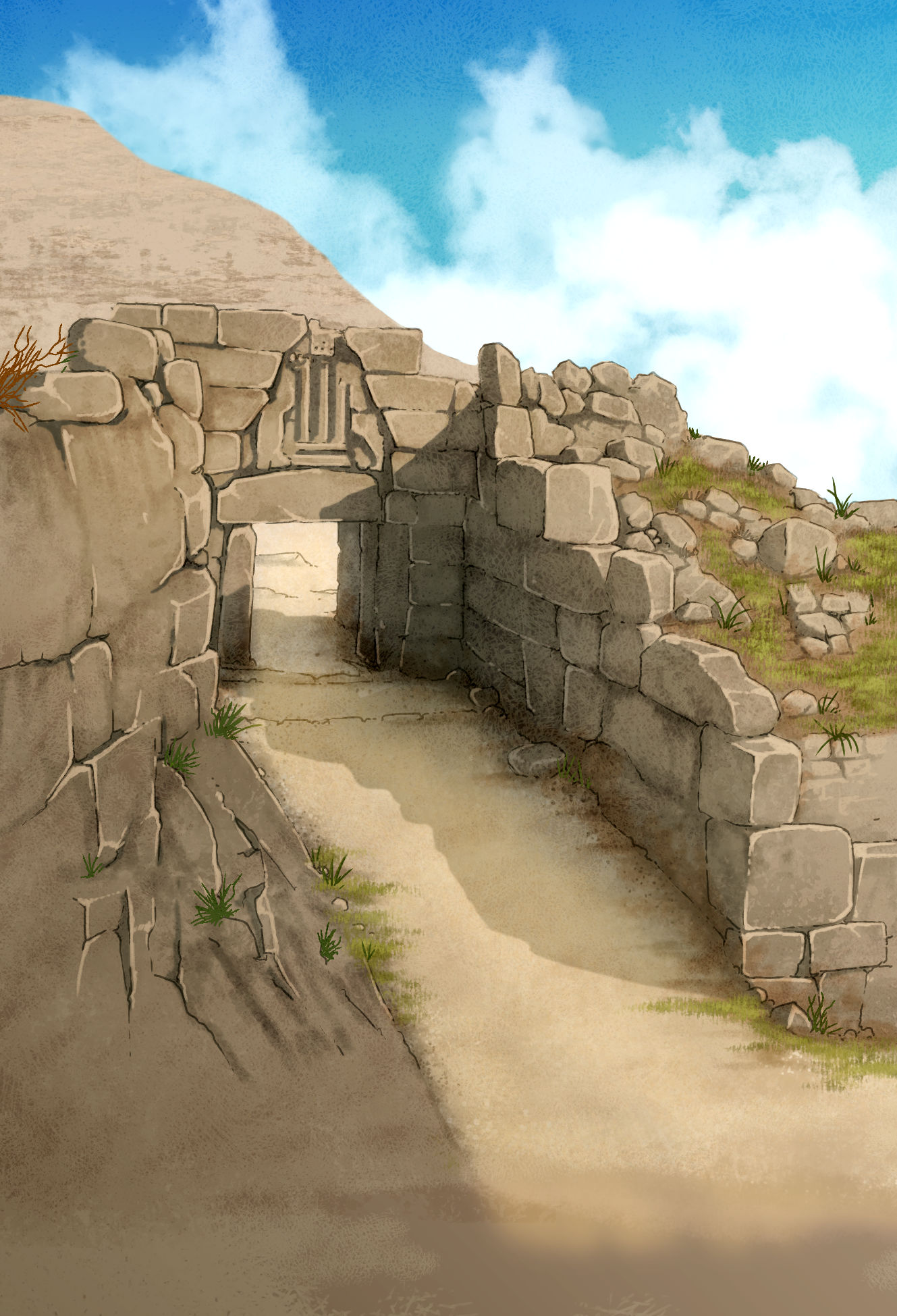
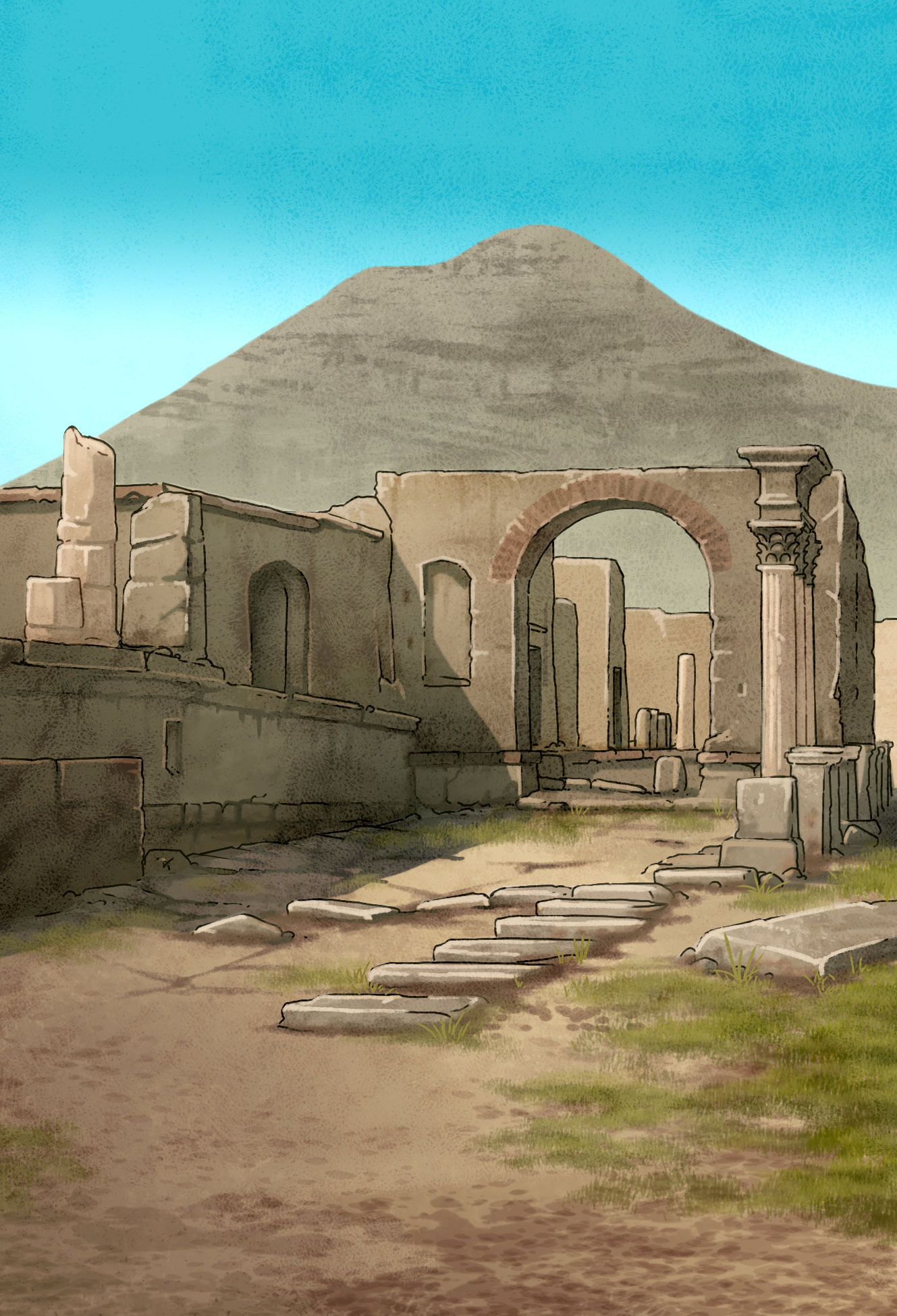
Therefore, I very early on conducted research to compile a list of sites that had already been discovered in the game's supposed era (1920-1930), for greater realism and to avoid anachronisms. I also spent a lot of time, for immersion but also out of curiosity and passion, searching for period photographs of the sites, in the state they could be observed at the beginning of the 20th century. Some were barely cleared (Tikal, Palenque), or even just discovered (Machu Picchu, Antioch), while others had been explored and excavated time and again (Pompeii, the Valley of the Kings). I would like to thank the entire publishing team, and especially Guillaume Tavernier, the illustrator, for keeping the idea of representing the archaeological sites as they appeared to the travelers and explorers of the time. Some have since disappeared or been degraded, like the Buddhas of Bâmiyân or the monuments of Palmyra.
I humbly hope that this booklet will inspire you to learn more about a particular civilization, to visit a particular site, or even to awaken an archaeological spark in some of you. There is still so much to discover about our past... I would be delighted to chat with you, at a convention or a game night, about the genesis of this game and my passion for this wonderful and sometimes surprising world of discovering ancient remains.
Happy reading,
Eric